




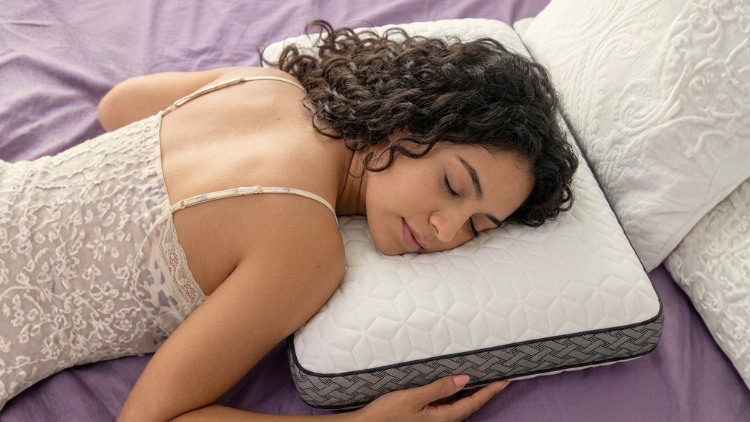
Waking up with a damp pillow or flipping it over at 2 a.m. to find the cool side is a familiar routine for hot sleepers. Body heat gets trapped in dense foam, humidity builds up overnight, and the result is a restless night instead of a restful one. A cooling pillow for hot sleepers is built specifically to pull that heat away from the head and neck so sleep temperature stays steady until morning.
This guide breaks down the technology behind cooling pillows, walks through a curated set of options for different sleep styles, and explains how to match a pillow to the rest of a sleep setup. By the end, hot sleepers should have a clear picture of which pillow addresses their specific overheating pattern.
What Makes a Pillow "Cooling"?

Not every pillow marketed as cooling actually manages heat the same way. Three approaches show up most often in the current market.
-
Gel-infused memory foam: distributes gel beads or a gel layer through the foam to pull heat away from contact points. This keeps the classic contouring feel of memory foam while reducing the heat buildup that standard foam is known for, and the gel-versus-standard-foam comparison breaks down how density affects that cooling effect.
-
Phase change materials: Absorb heat when a sleeper's body temperature rises, then release it slowly as the surface cools. These covers feel cold to the touch at first contact, which is why they are sometimes labeled with names like "cryo" or "chill" on the packaging. This mirrors the body's own cooling process, as researchers studying the temperature dependence of sleep have observed that a drop in core temperature accompanies sleep onset in humans and other mammals, which is part of why a pillow that stays warm can interfere with natural sleep onset.
- Ventilated and natural fiber materials: Bamboo charcoal covers or shredded foam with air channels rely on airflow instead of heat absorption. Air moves through gaps in the fill or cover, carrying warm, humid air away from the sleeper's head.
Best Cooling Pillows for Hot Sleepers
This roundup covers nine cooling pillows from Blissful Nights, ranging from budget picks under $40 to premium phase-change designs, so hot sleepers can find a pillow that matches their specific needs and price point.
1. Cryo-Chill Memory Foam with Cooling Phase Change Pillow
Cryo-Chill Phase Change Ultimate Cooling Pillow, priced at $99.99 (Queen), $109.99 (King). Best for sleepers who overheat within the first hour of lying down. A PCM (phase change material) coating absorbs and releases body heat on contact, paired with ventilated memory foam and a cover woven from 41% cooling nylon. Loft height runs 4.5", making it a lower profile option among the phase change picks.
2. Ananda Pearl and Cool Gel Infused Memory Foam Pillow
Ananda Pearl and Cool Gel Infused Memory Foam Pillow, priced at $75 (Queen), $95 (King). This pillow blends cooling gel with natural crushed pearls inside 3 lbs of ventilated memory foam, and the washable cover is woven with cooling fibers. The combination of gel, pearl fill, ventilation, and a cooling cover makes it one of the more layered approaches to temperature control in this lineup, and it carries the most customer reviews of any pillow on this list.
3. Bamboo Charcoal and Gel Memory Foam Pillow
Bamboo Charcoal and Gel Memory Foam Pillow, priced at $89.99 (Queen), $99.99 (King). A dual-sided design: one side uses bamboo charcoal-infused foam for odor control, the other uses cooling gel-infused foam for temperature. Sleepers can flip to whichever side suits the night. Loft sits at 5.5" across 3 lbs of memory foam.
4. Ventilated Copper Memory Foam Pillow
Ventilated Copper Memory Foam Pillow, priced at $69.99 (Queen), $79.99 (King). Copper particles infused into the memory foam conduct heat away from the body, and a ventilated design adds airflow on top of that. This option suits back and stomach sleepers who still want the support of memory foam without the heat retention, and it holds the highest review count in this roundup at 15 reviews.
5. Ventilated Charcoal Bamboo Infused Memory Foam Pillow
Ventilated Charcoal Bamboo Infused Memory Foam Pillow, priced at $69.99 (Queen), $79.99 (King). Bamboo charcoal draws out excess moisture and odor while a ventilated core keeps air moving through 3 lbs of memory foam. This pairing suits hot sleepers who also want a fresher-smelling pillow between washes, and reviewers specifically note it stays cool through humid summer nights.
6. Cooling Contoured Side Sleeper Pillow
Cooling Contoured Side Sleeper Pillow, priced at $99.99 (one size). Shaped specifically with a shoulder cutout for side sleepers, this pillow layers PCM coating, gel-infused memory foam, a ventilated core, and a cooling nylon cover (53% cooling nylon) into one design. It fills a gap that flat cooling pillows often miss for side and shoulder sleepers.
7. Reactive Foam Shredded Pillow with Adjustable Loft Height
Reactive Foam Shredded Pillow with Adjustable Loft Height, priced at $99 (Queen), $109 (King). Shredded, latex-like reactive foam lets sleepers zip off the cover and remove fill until the loft matches their spine. The cover itself is 41% cooling nylon, so this is the pick for anyone who wants to dial in pillow height without giving up a cooling surface.
8. Essentials Dual Air- Foam Pillow
Essentials Dual Air-Foam Pillow, priced at $39.99 (one size). An entry point option for hot sleepers who want airflow benefits without a higher price tag. The air foam core is built for better airflow and less heat buildup, offering a lighter-weight alternative to dense memory foam at the lowest price in this roundup.
9. Essentials BlissComfort Pillow
Essentials BlissComfort Pillow, priced at $39 (one size). A blend of cut foam pieces and down alternative fibers built for better airflow and a cooler night's sleep. It offers contouring support for pressure points at a budget price point close to the Dual-Air Foam pick above, so the choice between the two often comes down to preferred feel rather than cooling performance.
Worth noting: the Low Profile Stomach and Back Sleeper Pillow ($59) is a strong pick for spinal alignment, but its product listing does not carry a cooling claim, so it is left out of this roundup.
How to Choose the Right Cooling Pillow for Your Sleep Style
-
Sleep position changes which pillow features matter most. Back and stomach sleepers generally need a lower-profile pillow so the neck stays in a neutral position, a factor covered in more detail when picking a pillow for your sleep needs. Side sleepers need more loft to fill the space between the ear and shoulder, and a pillow that is too flat can leave the neck unsupported through the night.
-
Sleepers who deal with neck or shoulder soreness alongside overheating should also weigh the support level, not just the cooling technology, since the wrong loft can undo the benefits of a cooling cover. A closer look at pillow picks for neck and shoulder pain covers that combination in more detail.
- Firmness preference matters too. A cooling pillow that is too soft will compress fully and lose the airflow gaps that make it effective, while one that is too firm can feel like it is trapping heat even with cooling materials inside.
Cooling Pillows and Your Mattress: Why Temperature Regulation Works Best as a System

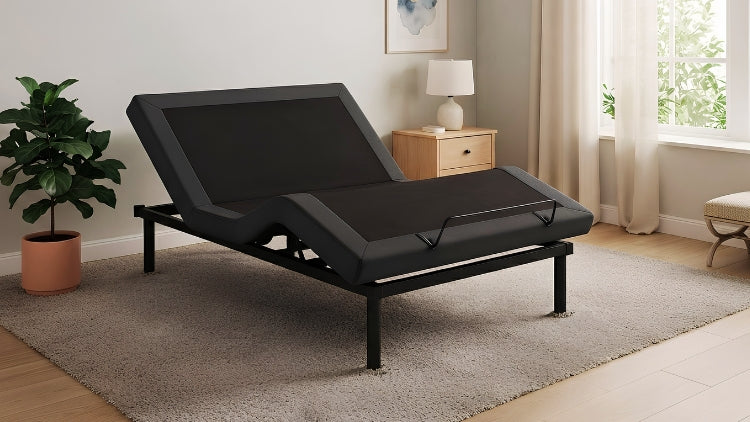
A cooling pillow addresses heat around the head and neck, but overall sleep temperature depends on the full sleep surface. Mattress material plays a significant role here, since dense foam mattresses tend to retain body heat more than hybrid designs with airflow between coils, a distinction explored in the comparison of memory foam versus hybrid for hot sleepers.
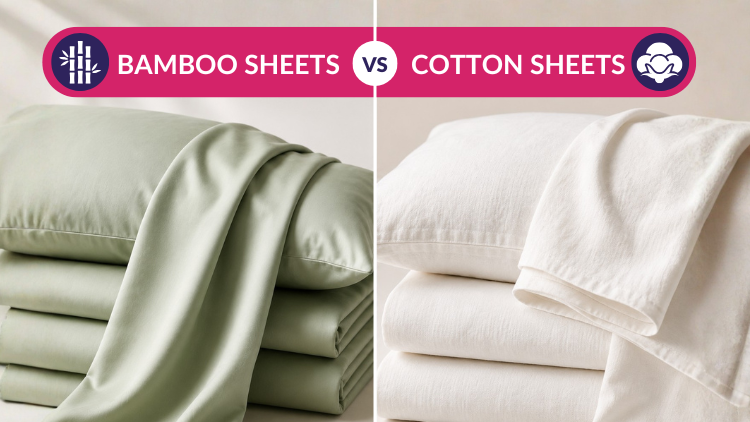
Firmness level also affects heat retention. A softer mattress creates more body contact and less airflow beneath the sleeper, while firmer surfaces tend to allow more air movement, a relationship covered in the context of mattress firmness and temperature regulation. Pairing a cooling pillow with breathable sheets and a mattress that does not trap heat gives hot sleepers a more complete solution than focusing on the pillow alone.
Final Thought
The best cooling pillows for hot sleepers depend less on brand names and more on matching the right cooling technology, loft, and firmness to an individual's sleep style. Gel-infused foam, phase-change covers, and ventilated designs each solve overheating in a different way, and testing sleep position against those features narrows the list quickly.
Sleep Cooler Tonight
Choosing the right pillow makes a real difference in how well hot sleepers rest through the night, and Blissful Nights carries a full lineup of cooling pillows built around different sleep styles and budgets. Contact us for sleep products, personalized recommendations, or help matching a cooling pillow to the rest of a sleep system.
Contact us through the site chat or product pages to compare cooling technologies side by side before making a final choice.
FAQs
Do cooling pillows actually work for night sweats?
Cooling pillows reduce heat buildup around the head and neck using gel, copper, or phase-change materials, which can noticeably cut down on the discomfort associated with night sweats, even though they do not eliminate sweating itself.
How long do cooling pillows stay cool through the night?
Phase-change covers typically feel cool for the first few hours before gradually warming, while gel-infused foam and ventilated designs maintain a more consistent temperature for longer because they rely on ongoing heat transfer rather than a single cooling burst.
Are gel pillows better than copper-infused pillows for hot sleepers?
Neither option is universally better, since gel pillows focus on absorbing and dispersing heat while copper pillows conduct heat away more quickly; the right choice depends on how quickly a sleeper tends to overheat.
Can a cooling pillow help with allergies too?
Some cooling pillows, particularly bamboo charcoal designs, offer natural odor and moisture control that can help maintain a cleaner sleep surface, though a dedicated pillow protector provides more targeted allergy protection.
What loft height works best for a cooling pillow?
Loft depends on sleep position more than cooling technology, with side sleepers generally needing a higher loft to fill the shoulder gap and back or stomach sleepers doing better with a lower profile pillow.


Leave a comment
This site is protected by hCaptcha and the hCaptcha Privacy Policy and Terms of Service apply.