



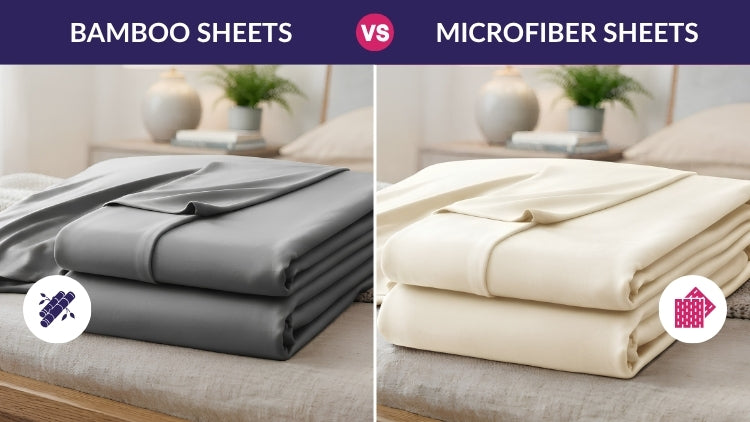
Bamboo vs microfiber sheets comes down to a tradeoff most shoppers don't realize they're making until after the sheets arrive: comfort and breathability on one side, price and low maintenance on the other. Both fabrics show up constantly in bedding recommendations, but they're built from completely different materials and perform differently once they're actually on a bed.
In this blog, we'll break down what each fabric is made of, compare them side by side on comfort, durability, and price, and help you figure out which one actually fits how you sleep and what you're willing to maintain.
What are Bamboo Sheets?

Bamboo sheets are made from viscose derived from bamboo pulp, a plant-based process that breaks down the fibers and reconstructs them into a soft, breathable fabric. The result is a sheet with natural moisture-wicking properties, a silky feel, and antimicrobial qualities that come from the bamboo plant itself.
Bamboo fibers are also naturally more elastic than most plant-based fabrics, which is part of why bamboo sheets tend to soften with wash after wash instead of wearing thin.
What are Microfiber Sheets?
Microfiber sheets are made from finely woven synthetic polyester fibers, engineered specifically for a smooth, consistent finish. The manufacturing process packs the fibers tightly together, which gives microfiber its characteristic crisp feel and resistance to wrinkling.
Because it's a synthetic material, microfiber performance stays fairly consistent over time. It won't soften the way bamboo does, but it also won't degrade as quickly under regular washing.
Bamboo vs Microfiber Sheets: Table Comparison
| Factor | Bamboo Sheets | Microfiber Sheets |
| Feel | Soft, silky, gets softer over time | Smooth, slightly crisp |
| Breathability | High, naturally moisture-wicking | Lower, traps more heat |
| Durability | Strong long-term, resists pilling | Wears faster, prone to snagging |
| Price | Higher upfront | Lower upfront |
| Wrinkle resistance | Wrinkles more easily | Highly wrinkle-resistant |
| Eco-friendliness | Renewable, biodegradable | Synthetic, less sustainable |
| Care | Cold wash, no bleach or fabric softener | Warm wash tolerated, avoid ironing |
Thread count often gets treated as the main quality signal on the label, but thread count vs fabric type matters more for how a sheet actually performs. A high thread count microfiber sheet can still trap more heat than a lower thread count bamboo sheet, since the fiber itself drives breathability more than the weave density does.
Bamboo or Microfiber Sheets: Which Should You Choose?

The table above covers the tradeoffs, but the right choice usually comes down to which one or two factors matter most for how you sleep, the same factors that shape most decisions about the best material for bed sheets in general.
Choose Bamboo Sheets If You:
-
Sleep hot or deal with night sweats on a regular basis
-
Have sensitive skin or allergy concerns that benefit from a naturally antimicrobial fabric
-
Prefer a softer feel that improves with each wash
-
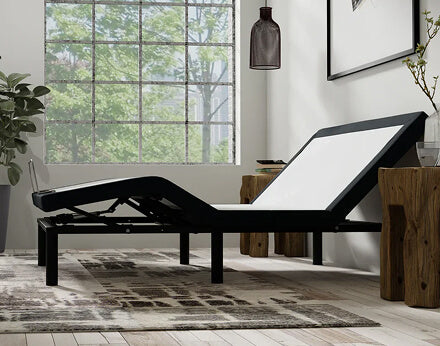
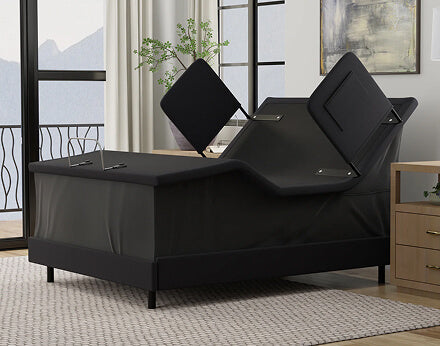
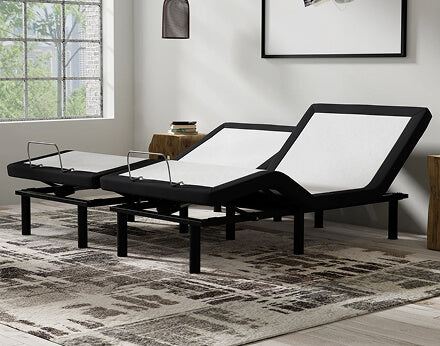
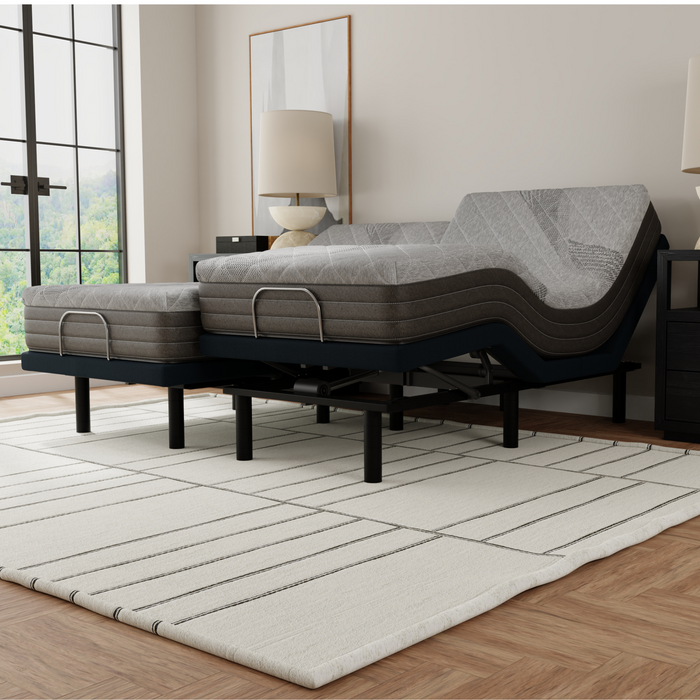
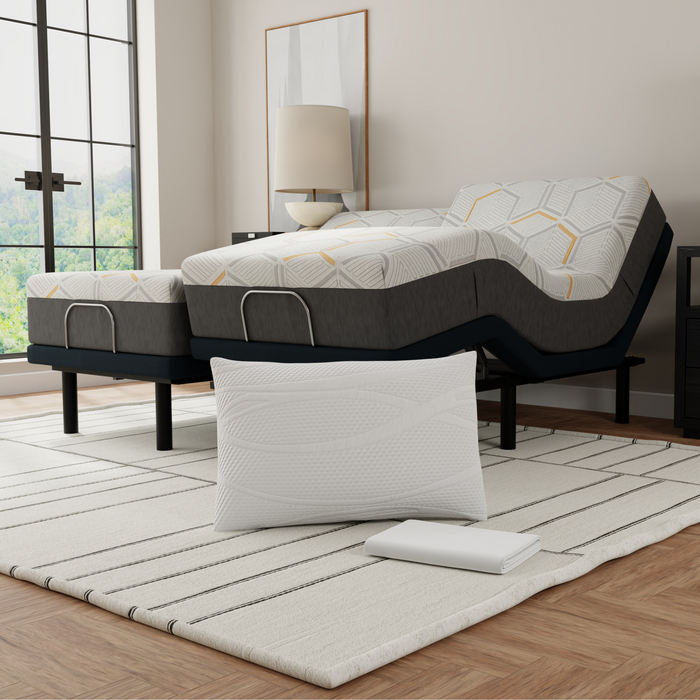
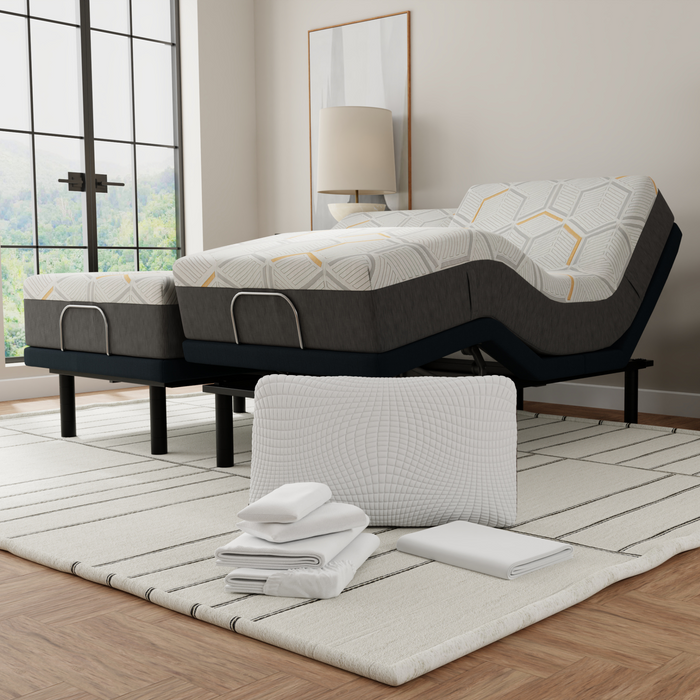
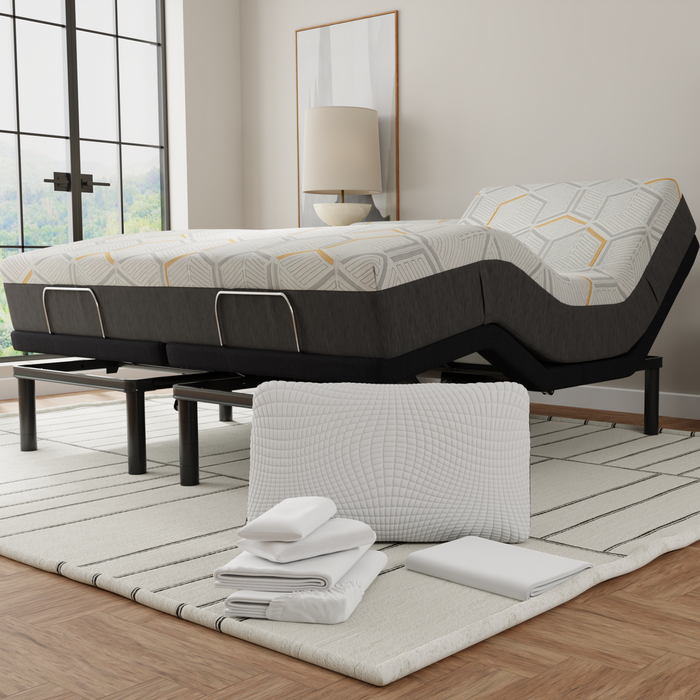
Use an adjustable base, since bamboo's natural stretch holds up well through repeated flexing, though sheets for adjustable bases fit even more securely
- Are willing to pay more upfront in exchange for a longer-lasting sheet set
Choose Microfiber Sheets If You:
-
Are furnishing a guest room or a bed that doesn't need premium bedding.
-
Want a lower-maintenance fabric that tolerates warmer wash cycles without special care.
-
Prefer sheets that resist wrinkling without needing to be pulled tight after every wash.
-
Are working with a tighter budget for this purchase.
- Don't have a strong preference around temperature regulation.
Are Bamboo Sheets Better for Hot Sleepers?
For most hot sleepers, yes. Bamboo's fiber structure allows more airflow and pulls moisture away from the body, which is part of why it's a common recommendation for anyone who sleeps hot. Microfiber's tighter synthetic weave traps more heat, which some sleepers barely notice and others feel within the first few nights.
If night sweats or a consistently warm bedroom are a regular part of your sleep routine, bamboo is the safer bet between the two.
Are Microfiber Sheets a Good Choice?
Microfiber earns its place for the right situation, not simply as a cheaper substitute for bamboo. It holds its shape wash after wash without the special care bamboo requires, which makes it a practical pick for a guest room or a kid's bed where low maintenance matters more than a premium feel.
Where microfiber falls short is temperature regulation and long-term softness. It won't sleep as cool as bamboo, and it won't soften with age the way bamboo does. For sleepers who don't run hot and aren't chasing a premium feel, that tradeoff is often a reasonable one.
Final Thought
Bamboo vs microfiber sheets is less about which fabric is objectively better and more about which tradeoff fits your sleep habits and budget. Bamboo wins on cooling, softness over time, and sustainability. Microfiber wins on price and low-maintenance care. Either one is a reasonable choice once you know which factors matter most for how you actually sleep.
Find the Right Sheets for Your Bed
Choosing between bamboo vs microfiber sheets gets easier once you know what actually matters for how you sleep. Blissful Nights carries both fabric types, including bamboo sheet sets built specifically to work with mattress and adjustable base setups.
Contact us for guidance on matching the right sheet fabric to your sleep habits, mattress type, and budget, so your bedding works with your setup instead of against it.
FAQs
Are bamboo sheets worth the extra cost?
For hot sleepers or anyone prioritizing long-term durability, most people find the extra upfront cost worth it, since bamboo tends to outlast microfiber even with gentler use.
Do microfiber sheets get softer over time?
Not usually. Microfiber tends to stay fairly consistent wash after wash, while bamboo sheets often get softer the more they're washed and used.
Which fabric is better for allergies?
Bamboo has natural antimicrobial properties that make it a common recommendation for sensitive skin and allergy concerns, though microfiber's tight weave can also resist dust mites depending on the finish.
Can I put bamboo sheets in the dryer?
Yes, on a low setting, though air drying preserves the softness longer. High heat can wear down the fibers faster than with microfiber.
Do bamboo sheets work with adjustable beds?
Yes, and their natural stretch often holds up well through the repeated flexing an adjustable base creates, though sheet sets built specifically for adjustable bases fit more securely either way.


Leave a comment
This site is protected by hCaptcha and the hCaptcha Privacy Policy and Terms of Service apply.