





There is a reason a hotel bed feels different the moment you sink into it. It is not one expensive item working alone. It is the sheets, the mattress feel, and the pillows all layered with a bit of intention, and that combination is exactly what most home beds are missing. The good news is you can make your bed feel like a luxury hotel without redoing your whole bedroom.
This guide walks through the sheets, topper, pillows, and finishing touches that get you there, plus a few product picks if you would rather skip the trial and error.
Why Hotel Beds Feel So Different in the First Place
Hotels are not using secret bedding you cannot buy yourself. What they are doing is combining a few ordinary elements the right way, and doing it consistently, night after night, room after room. A hotel bed is really four things working together: the sheet fabric and how it is layered, the surface feel of the mattress itself, the number and arrangement of pillows, and a handful of finishing touches that most home bedrooms skip entirely.
None of these elements does much on its own. Expensive sheets on a worn-out mattress will not feel like a hotel bed, and neither will a great mattress paired with scratchy sheets. It is the combination, applied with a bit of intention, that creates that unmistakable feeling the moment you sink in. The five steps below break down exactly how to build that same layering at home, starting with the sheets.
1. Layer Your Sheets the Way Hotels Do
Hotels rarely use fitted sheets on both sides of the bed. Instead, housekeeping tucks an oversized flat sheet tightly around the mattress using hospital corners, then adds a second flat sheet on top that gets tucked at the foot and sides. This is called triple sheeting, and it is one reason hotel beds look so crisp in photos and feel so smooth against skin.
You do not need to fully replicate hotel housekeeping at home, but starting with the right sheet set makes the biggest difference. A few basics to look for:
-
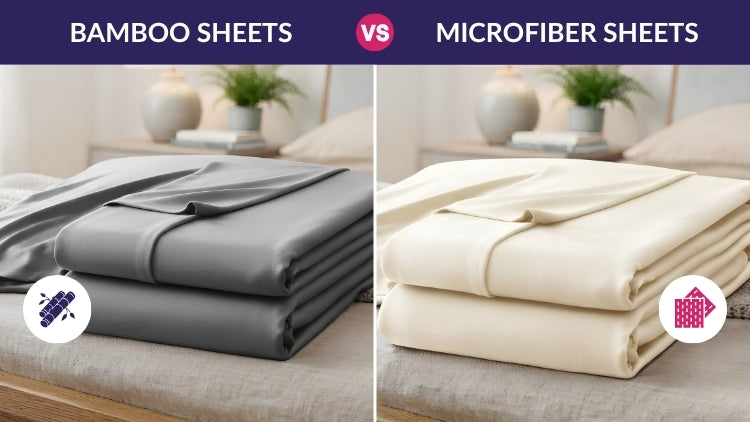
Fiber first. A breathable bamboo weave gives you that same cool, smooth surface without the static or clinginess that lower-quality polyester blends develop after a few washes.
- Weave over thread count. Focusing on weave over thread count tends to matter more for how a sheet actually feels than chasing a bigger number.
-
Percale for hot sleepers. A percale weave has a crisp, papery hand feel and releases body heat faster than sateen.
- Sateen for a softer hand. Sateen drapes more and feels silkier against skin, though it sleeps slightly warmer than percale.
2. Choose a Mattress Topper for Hotel-Style Softness

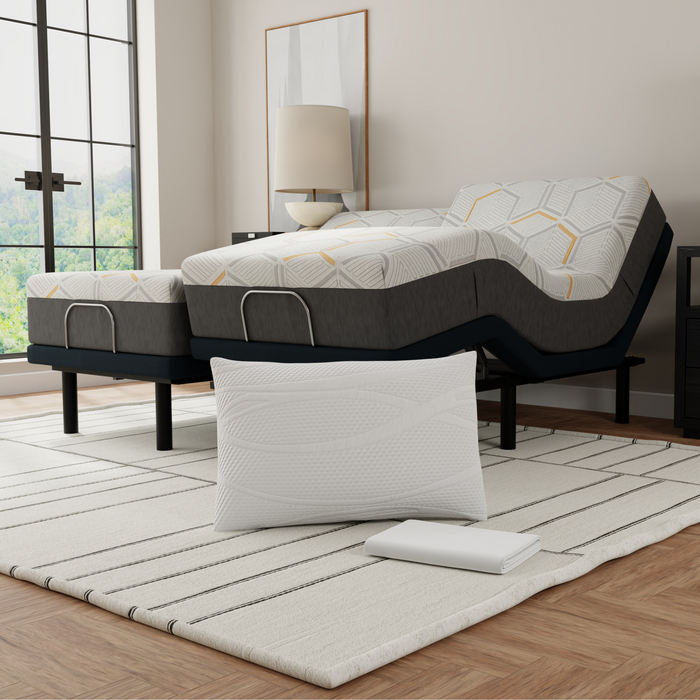
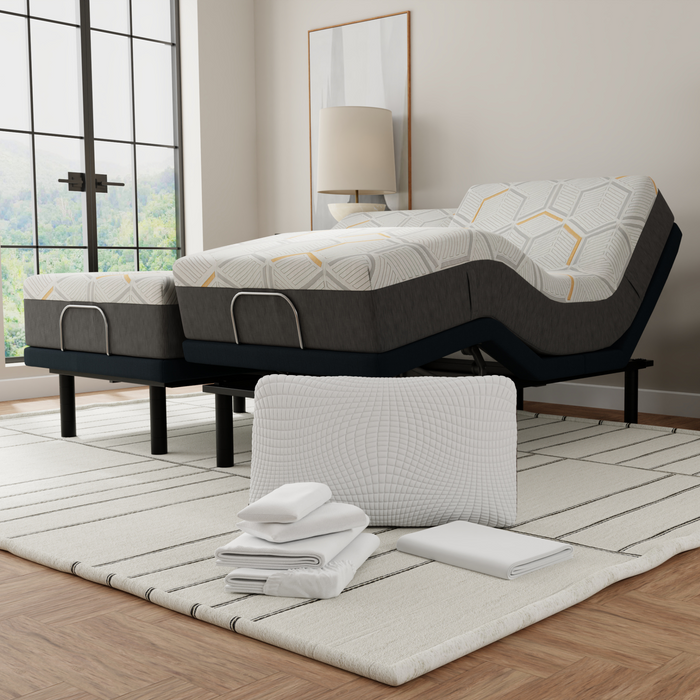
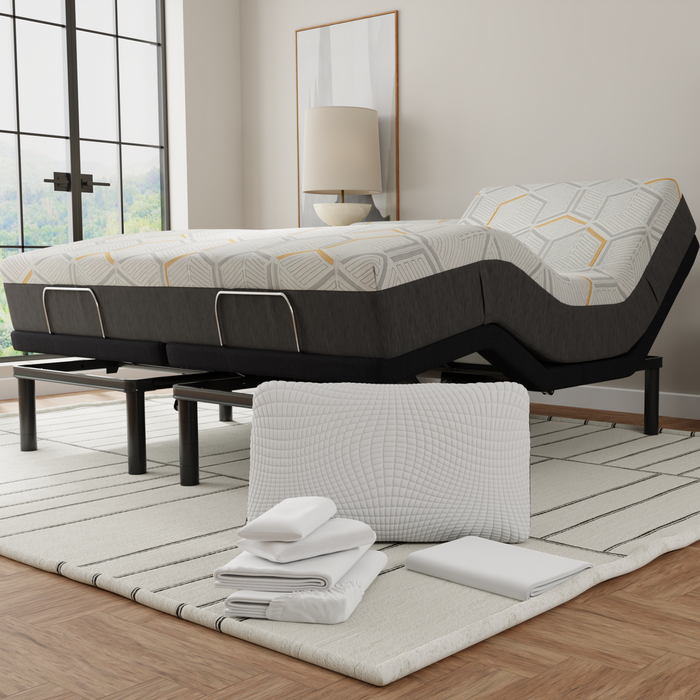
A mattress that has lost its bounce is the single biggest reason a home bed cannot compete with a hotel bed, no matter how nice the sheets are. Hotels replace mattresses on a strict rotation and often add a plush topper on top for extra cushioning. You can get most of that effect at home with a plush memory foam layer designed to sit between your mattress and your sheets.
A topper is also the cheapest fix if your mattress still has good support underneath but the surface feels worn or thin. Look for two to three inches of foam, and pair it with a fitted protective layer so the topper stays clean and does not shift during the night.
3. Pick Pillows that Support and Impress
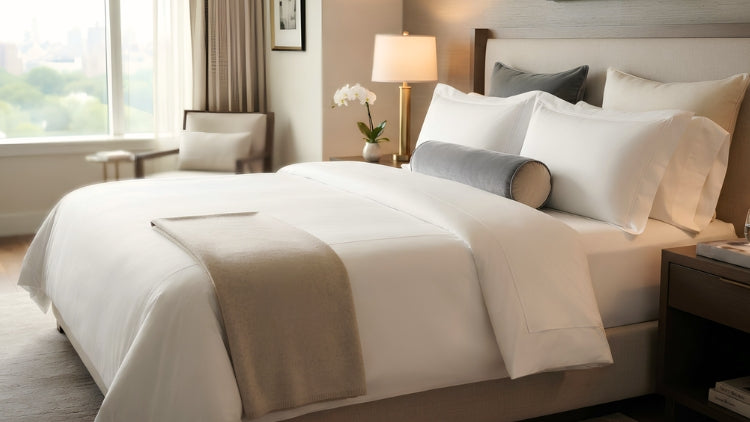
Hotel beds almost always use four to six pillows arranged in layers: two firmer sleeping pillows underneath, two softer decorative pillows on top, and sometimes a lumbar or bolster pillow for visual height. You do not need six pillows to get the effect. Two standard luxury bed pillows plus one accent pillow is usually enough for a full or queen bed, and three plus one works well for a king.
For the sleeping pillows, pick a fill based on how you actually sleep rather than how the pillow looks stacked. A plush kapok and fiber blend gives you that hotel-style loft while still holding its shape through the night, which matters if you toss between your back and your side. Side sleepers who tend to run warm often do better with a cooling, contoured pillow instead, since it keeps neck alignment steady while managing heat.
4. Add a Duvet, Blanket Layer, and a Folded Throw
The layer between your sheets and your duvet is what gives hotel beds their signature plush look. Many properties place a thin blanket or a waffle weave layer under the duvet insert, which adds visual height and a bit of extra warmth without making the bed feel heavy.
Finish with one folded throw across the foot of the bed, in a natural fiber like wool, cotton, or linen rather than a synthetic blend. Keep it to a single throw, folded once or draped loosely. Piling on multiple blankets and throws tends to read as cluttered rather than luxurious, which is the opposite of what a hotel bed is going for.
5. Small Touches that Finish the Look

A few details separate a nicely made bed from one that actually feels like a hotel room.
-
Neutral or white color palette. Reads as clean and calm, and hides less than patterned bedding.
-
Symmetrical pillow arrangement. Mirrors the styling hotels use for a polished, intentional look.
-
Fresh sheets weekly. Keeps that just-checked-in crispness instead of a lived-in feel.
-
Low, warm lighting near the bed. Softens the room the way hotel turndown lighting does.
- One scent, used lightly. A light linen spray or diffuser adds to the sensory effect without overwhelming it.
None of these details cost much, but skipping them is usually why a bed with good sheets still does not quite feel like a hotel room.
Final Thought
Getting a bed that feels like a luxury hotel comes down to layering done well: good sheets, a topper if your mattress needs it, pillows sized and arranged with intention, and one or two finishing touches like a folded throw or soft lighting. None of it requires a full bedroom overhaul. Most people notice the difference after swapping just their sheets and adding a topper, then build from there.
Ready for a Hotel-Style Bed at Home?
Comfort like this starts with the right foundation underneath your bedding. Blissful Nights carries the sheets, toppers, and pillows built to hold up to the kind of everyday softness a hotel bed only has to manage for one night at a time.
Contact us today for sleep products if you are not sure which combination fits your mattress and sleep style. Our team can walk you through sheet weaves, fill types, and topper thickness so you are not guessing at checkout, and every recommendation is based on how you actually sleep, not just how a bed photographs.
FAQs
How many pillows do hotels usually put on a bed?
Most hotels use four to six pillows on a queen or king bed, layered with firmer sleeping pillows on the bottom and softer decorative pillows on top. At home, two to four pillows arranged the same way gets you most of the same look.
Do I need a mattress topper if my mattress is still fairly new?
Not necessarily. A topper is most useful when a mattress has started to feel firm, thin, or worn on the surface. If your mattress still feels supportive, upgrading your sheets and pillows first will make a bigger difference.
What thread count is best for a hotel style bed?
Thread count matters less than weave and fiber quality. A well made sheet in the 250 to 400 range, in a percale or sateen weave, usually feels better than a much higher thread count sheet made from lower quality cotton.
Why do hotel beds always look so neat and put together?
It comes down to tight tucking, an oversized flat sheet, and consistent, symmetrical pillow placement. Hotels also stick to a simple color palette, which makes the bed look more intentional and less busy.
Is white bedding really easier to keep looking clean?
Yes, in most cases. White bedding shows stains that get treated right away, while colored or patterned bedding can hide dulling and yellowing over time, which actually makes it look less fresh in the long run.



Leave a comment
This site is protected by hCaptcha and the hCaptcha Privacy Policy and Terms of Service apply.