






A mattress is one of the few things you use every night for the better part of a decade, yet most people buy one in an afternoon and regret it within months. The mistakes to avoid when buying a mattress are easy to make and expensive to fix, since a bed that does not fit your body means poor sleep, aches, and often a second purchase far too soon.
This blog walks through the eight mistakes that most often trip up shoppers and what to do instead. Get these right, and you will spend less, sleep better, and keep the mattress you actually want for years.
Why These Mistakes Are So Easy to Make
Most people buy a mattress only a handful of times in their lives, so there is no real practice at it. You walk into a showroom or scroll through a dozen tabs, face a wall of similar-looking options, and try to judge in minutes something your body only reveals over weeks. That gap between a quick decision and a long commitment is where things go wrong.
The stakes are higher than they look. You spend roughly a third of your life on the mattress, and a good one should serve you for seven to ten years. A rushed or misinformed choice does not just cost money. It shapes how you sleep, how your back feels, and how rested you are every day until you replace it.
Mistake #1: Shopping Before You Know How You Sleep
Firmness and feel should follow your body and sleep position, not the other way around. A side sleeper needs to give at the shoulder and hip to keep the spine level. A back or stomach sleeper needs firmer, more even support to stop the hips from sinking. Buy without knowing which camp you fall into, and you are guessing.
Figure this out before you shop. Your main sleep position, your weight, and whether you share the bed all point toward the right feel, and matching mattress firmness to you is the single biggest factor in whether the mattress works. Walk in with that answer, not a blank slate.
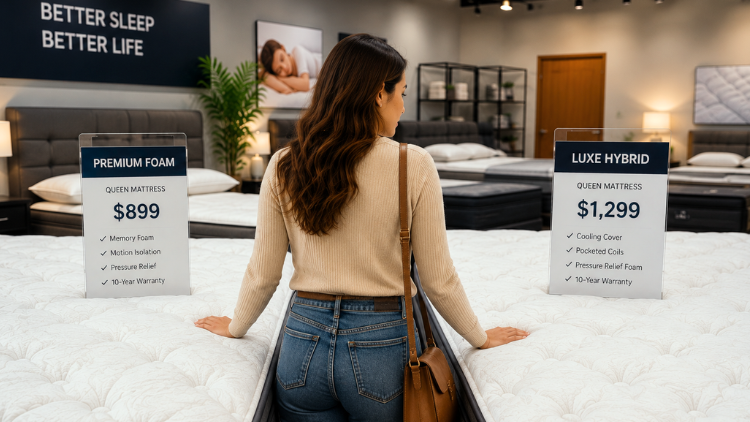
Mistake #2: Judging a Mattress in a Two-Minute Test

Sitting on the edge or lying down for a few seconds tells you very little. Pressure points build over minutes, not moments, and a bed that feels plush in the first ten seconds can turn into a sore hip an hour later. Research on in-store testing has found that shoppers often pick the wrong bed even after a short trial because comfort takes time to register.
Give each option at least ten to fifteen minutes, lying in your usual sleep position, shoes off, pillow under your head. If you share the bed, bring your partner and test it together. It feels awkward in a showroom. It is far less awkward than a decade on the wrong mattress.
Mistake #3: Skipping the Sleep Trial and Return Policy
Even a long store test cannot match a few weeks of real sleep at home. That is what a sleep trial is for, and buying without one is a gamble. Read the fine print before you pay: how long the trial runs, whether there is a break-in requirement, who pays return shipping, and whether restocking fees apply.
The same care applies to where you buy. Both showrooms and online sellers have trade-offs, and understanding the differences between buying online and in-store helps you weigh trial length and return terms against the feel-before-you-buy convenience. A generous trial turns a risky purchase into a low-risk one.
Mistake #4: Choosing by Price Alone

Price pulls shoppers in two wrong directions. Some grab the cheapest bed and end up with thin foam that sags in a year. Others assume the highest number guarantees the best sleep and pay for branding they will never feel. Neither approach looks at what actually matters.
A mattress matched to your body at a fair mid-range price will beat a bargain-bin model and a luxury one that suits someone else. Set a sensible budget, then judge each bed on its materials, support, and how it feels for you. The right price is the one attached to the right fit.
Mistake #5: Picking the Wrong Mattress Type
Foam, hybrid, innerspring, and latex all sleep differently, and shoppers often choose a type based on a trend rather than their own needs. Memory foam hugs and isolates motion. Hybrids add bounce and airflow with a coil core. Innerspring feels traditional and firm. Latex is durable and responsive.
None is best for everyone. If you run warm or want more spring, the differences between foam versus hybrid feel matter more than the marketing. Start from how you want the bed to feel and breathe, then match the construction to it.
Mistake 6: Overlooking Back and Pressure Support
Comfort and support are not the same thing, and chasing a soft, cushy feel while ignoring support is how people wake up sore. A good mattress keeps your spine neutral while relieving pressure at the shoulders and hips. Too soft and you sink out of alignment. Too firm and you get pressure points.
If you're looking for the best mattress for back support, focus on one that balances comfort with proper spinal alignment. Research shows that medium-firm mattresses often provide the right combination of pressure relief and support for many sleepers.
Mistake #7: Forgetting the Foundation and the Size
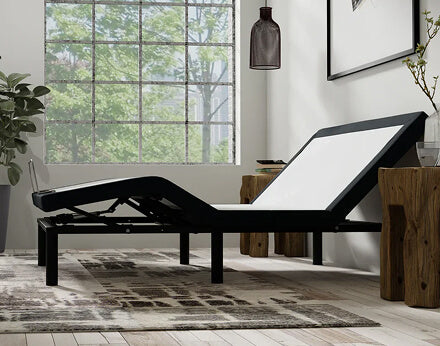
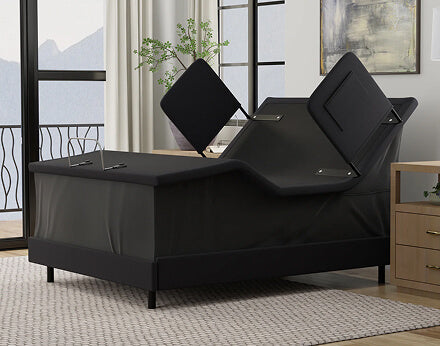
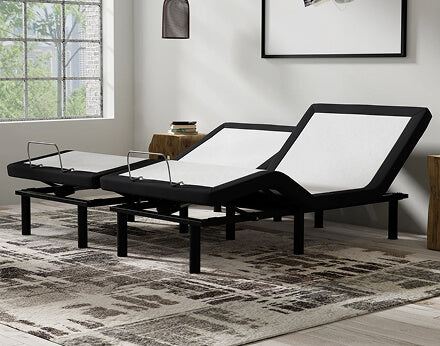
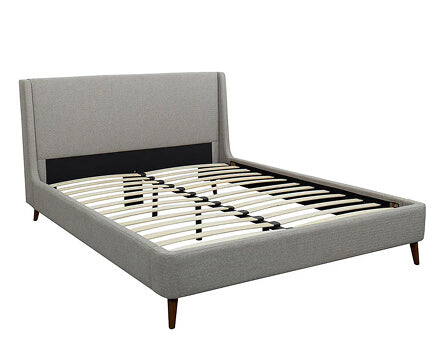
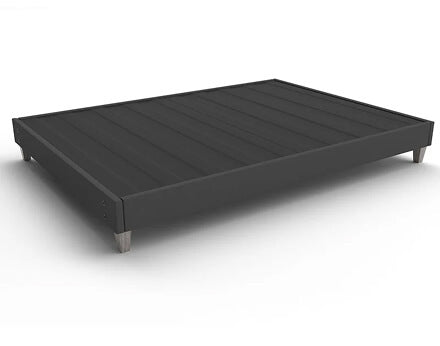
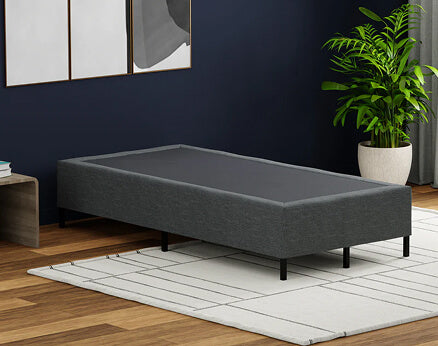
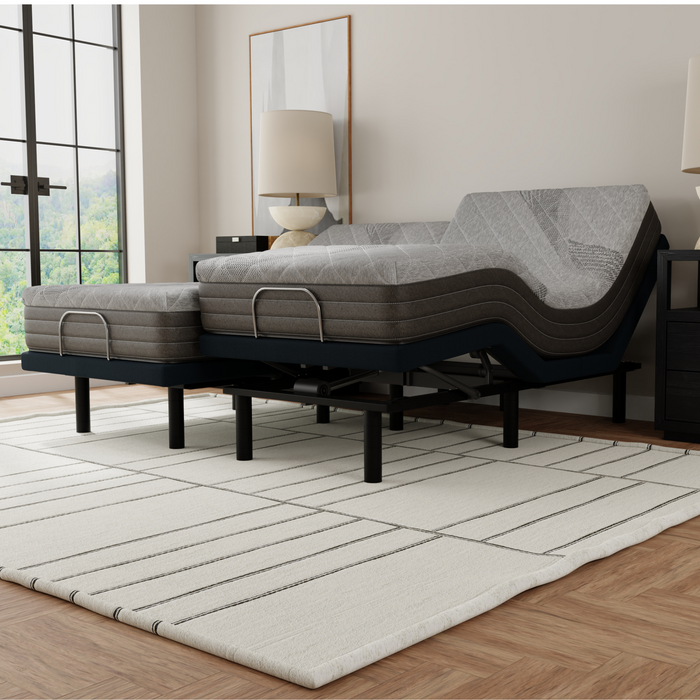
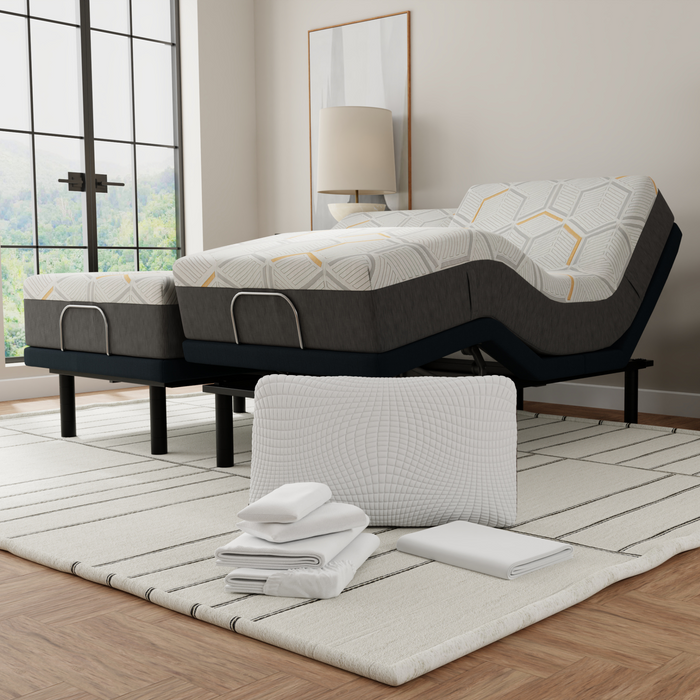
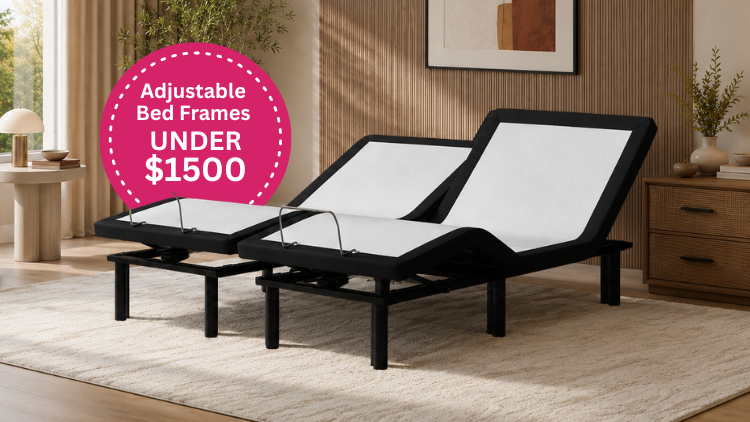
The best mattress can fail on the wrong base. Many warranties require proper support, and an old or sagging foundation can void coverage and wear out the bed early. Check what your mattress needs, whether that is a solid platform, a slatted frame with the right gaps, or an adjustable base.
Size trips people up, too. Measure your room and think about who shares the bed, including kids and pets. Couples usually want at least a queen, and taller sleepers may need a longer size. Getting this wrong once the mattress arrives is costly, so decide before you order, not after.
Mistake #8: Ignoring Protection and Warranty
A mattress is a long-term purchase, and skipping the small steps that protect it shortens its life. A washable protector guards against spills, sweat, and allergens and keeps most warranties valid. Without one, a single stain can void your coverage entirely.
Read the warranty before you buy, not after something goes wrong. Look at how long it lasts, what counts as a valid sagging claim usually a set depth, and what maintenance you must follow, such as rotating the bed and using the right base. These details decide whether your mattress reaches its full 7-to 10-year lifespan.
How to Avoid These Mistakes When Buying a Mattress
Good mattress shopping is mostly preparation. Know how you sleep, set a fair budget, and decide on size and base before you look at a single bed. That turns a showroom full of options into a short list you can judge with confidence.
From there, test slowly, read every trial and warranty term, and weigh fit over price. If you are comparing a quality mattress lineup, focus on support, materials, and cooling that match your needs rather than the biggest discount on the floor.
Final Thought
The mistakes to avoid when buying a mattress almost all come from rushing, and the fix is patience more than expertise. Know your sleep position, test each bed properly, protect the trial and warranty terms, and let fit outrank the price. Do that and the mattress you bring home will support your back, let you sleep the way you want, and last the full decade it should. A little preparation now saves years of poor sleep later.
Shop Smarter for Your Next Mattress
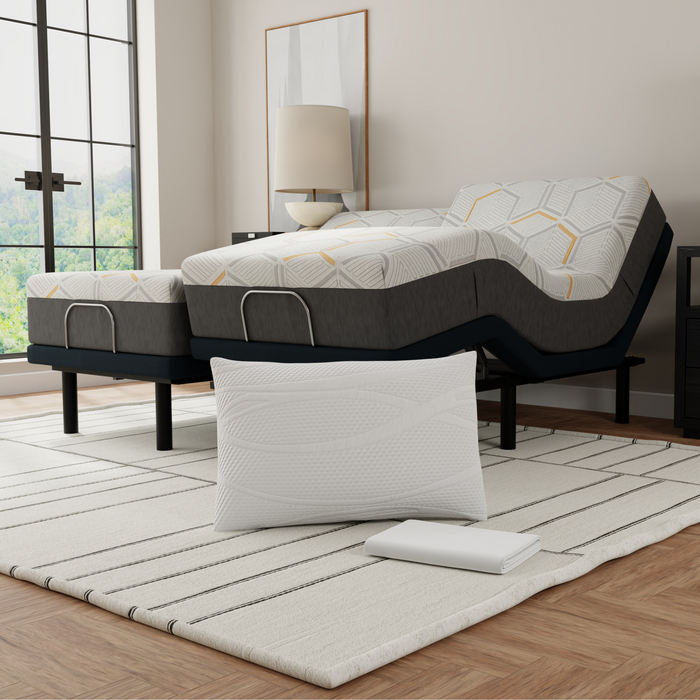
Buying a mattress should leave you resting easier, not second-guessing. Blissful Nights offers memory foam and hybrid mattresses built to support your spine, sleep cool, and match how you actually rest, with clear terms so you know exactly what you are getting.
Contact us if you want help matching a mattress to your sleep position, body type, and budget. Our team is glad to walk you through the options and steer you clear of the mistakes that cost other shoppers their sleep.
FAQs
What is the most common mattress buying mistake?
Shopping before you know how you sleep. Firmness and mattress type should follow your sleep position and body weight, so figure those out first. Buying blind is the fastest route to a bed that does not fit.
How long should I test a mattress before buying?
At least ten to fifteen minutes, lying in your normal sleep position rather than sitting or perching. Comfort and pressure points take time to show up, so a quick test in the store can easily mislead you.
Does a more expensive mattress mean better sleep?
Not by itself. Past a reasonable mid-range, price often reflects branding and features you may not feel. A well-matched mattress at a fair price usually outperforms a costlier one that suits a different body.
How important is the sleep trial when buying a mattress?
Very. A few weeks of real sleep at home reveal what no showroom test can. Check the trial length, any break-in period, return shipping costs, and restocking fees before you commit.
Do I really need a mattress protector and matching foundation?
Yes. A protector guards against spills and allergens and usually keeps the warranty valid, while the correct foundation prevents early sagging. Both help your mattress reach its full 7-to 10-year lifespan.


Leave a comment
This site is protected by hCaptcha and the hCaptcha Privacy Policy and Terms of Service apply.