






Key Takeaways:
- There is no official record for the longest time someone slept. One of the best-documented cases involves Wyatt Shaw, a 7-year-old who slept for about 11 days in 2017.
- Kleine-Levin syndrome can cause someone to sleep up to 20 hours a day during episodes that may last for days or weeks.
- Randy Gardner stayed awake for 264 hours, or about 11 days, in 1964, but he is not the current record holder for the longest time awake.
- Robert McDonald holds the last recognized no-sleep record at 453 hours and 40 minutes, or just under 19 days, set in 1986.
- Guinness stopped accepting sleep deprivation record attempts in 1997 because of the health risks and the difficulty of verifying brief microsleeps.
You know the routine. You crash after a long week, swear you'll sleep until noon, and your eyes pop open at 8 a.m. anyway. So it's a little hard to picture a kid sleeping for 11 days straight. Or a grown man staying awake for almost 19. Both of those happened.
Guinness World Records lists Robert McDonald as the last official record holder for staying awake: 453 hours and 40 minutes, set in 1986. The longest time someone slept is murkier, because nobody has ever held an official title for it.
A lot of websites still get both records wrong, which is part of why we wrote this. Below, we'll go through the long sleep cases people cite most, the full list of no sleep records, and what any of it means for your own sleep.
What Is the Longest Time Someone Has Slept?
There's no official record for the longest time someone slept. The best documented case is Wyatt Shaw, a 7-year-old from Kentucky. In October 2017, he danced all night as ring bearer at a family wedding, woke up the next morning with a headache and a stomachache, and kept drifting back to sleep. Local news reports say he fell asleep on October 1 and didn't wake up until October 12.
Doctors at Norton Children's Hospital in Louisville ran MRIs, X-rays and blood work. Everything came back clear. What finally woke him was a seizure medication, and for a while afterward he had trouble walking and talking. A year later, his family said he was doing great and back in school, which is honestly the best part of the story.
Why Is There No Official Record for the Longest Time Someone Slept?

Guinness doesn't track a longest sleep record, and the reason is mostly practical. To prove it, you'd need someone wired to brain monitors around the clock, showing they were actually asleep and not unconscious, sedated, or slipping in and out.
Then there's safety. People who sleep for days are almost always sick, and nobody wants to hand out a certificate for a medical emergency. That's also why a couple of popular claims don't count. UK hypnotist Peter Powers was widely reported to have spent eight days in a hypnotic trance in 1959, and some coma patients have stayed unconscious for years. Normal sleep cycles through light sleep, deep sleep and REM, and you can wake up from it. A trance or a coma is a different thing.
Can a Medical Condition Make You Sleep for Weeks?
It can. Kleine-Levin syndrome (KLS), sometimes called "sleeping beauty syndrome," is behind some of the longest sleep stretches on record. The NIH's rare disease page says people with KLS may sleep up to 20 hours a day during an episode, and an episode can last anywhere from a few days to a few weeks.
Most people with KLS are teenage boys, and they usually feel completely normal between episodes. According to the Cleveland Clinic, episodes tend to fade with time, and most cases run 10 to 20 years. If long sleep ever shows up with confusion, big appetite changes, or episodes you can't explain, see a doctor.
How Long Did Record Breakers Sleep After Staying Awake?
Less than you'd guess. After 264 hours awake, Randy Gardner slept 14 hours and 46 minutes, woke up on his own, stayed up about 23 hours, and then slept another 10.5 hours. Radio DJ Peter Tripp slept a little over 13 hours after his 1959 attempt, most of it in REM.
If you've had a rough week, that should make you feel better. Recovering from lost sleep doesn't take days. A long night or two does most of the work, and your body spends more of that time in deep sleep. On the other hand, if you regularly sleep 10 hours or more and still wake up tired, check how much sleep you really need for your age.
What Is the World Record Without Sleep?
The world record without sleep belongs to Robert McDonald of Mariposa, California. In 1986, he stayed awake for 453 hours and 40 minutes (18 days, 21 hours and 40 minutes) in a rocking chair marathon, sitting in a restaurant's front window. Guinness stopped monitoring the record in 1997, and as far as anyone knows, nobody has topped it.
The record went from about 8 days to almost 19 in under 30 years. Radio DJs kicked it off as publicity stunts in the 1950s, and students and endurance fans kept pushing it.
|
Year |
Record Holder |
Time Awake |
|
1986 |
Robert McDonald (California) |
453 hrs 40 min (18 days 21 hrs) |
|
1977 |
Maureen Weston (UK) |
449 hrs (18 days 17 hrs) |
|
1974 |
Roger Guy English (California) |
288 hrs (12 days) |
|
1969 |
Bertha Van Der Merwe (South Africa) |
282 hrs 55 min |
|
1964 |
Toimi Silvo (Finland) |
276 hrs |
|
1964 |
Jim Thomas (California) |
266 hrs 30 min |
|
1964 |
Randy Gardner (California) |
264 hrs (11 days) |
|
1959 |
Tom Rounds (Hawaii) |
260 hrs |
|
1959 |
Dave Hunter (Florida) |
225 hrs |
|
1959 |
Peter Tripp (New York) |
201 hrs |
Why Did Guinness Stop Tracking No Sleep Records?

Guinness stopped accepting sleep deprivation attempts in 1997 because they were dangerous. The record was also hard to judge fairly. Microsleeps, lapses into sleep that last a few seconds, are almost impossible to catch without constant brain monitoring, and Dr. Dement later admitted Gardner probably had them. And a rare genetic disease called fatal familial insomnia causes total loss of sleep, so a patient could end up holding the "record" without ever choosing to try.
What Happens to Your Body Without Sleep?
The longer someone stays awake, the more their brain needs rest, whether they want it or not. Peter Tripp started seeing mice and kittens that weren't there, although Dement later blamed the stimulant Ritalin he was given as much as the lack of sleep. Roger Guy English reported hallucinations after his 12-day attempt. McDonald told reporters he was struggling to remember things and couldn't keep food down.
You don't need to chase a record to feel a milder version of this. Research summarized by the American Academy of Sleep Medicine ties regularly sleeping under 7 hours to weight gain, diabetes, high blood pressure, heart disease, depression, weaker immunity and more accidents. It's not rare, either. CDC data show that in 2022, somewhere between 30% and 46% of adults in each state weren't getting enough sleep. If you toss and turn most nights, our guide to common causes of restless sleep is a good place to start.
How Can You Get Better Sleep Every Night?
The extreme cases are fun to read about. The takeaway is pretty boring, though: your body does best on steady, decent sleep. The CDC recommends at least 7 hours a night for adults 18 to 60, and your bed plays a big role in whether you get it.
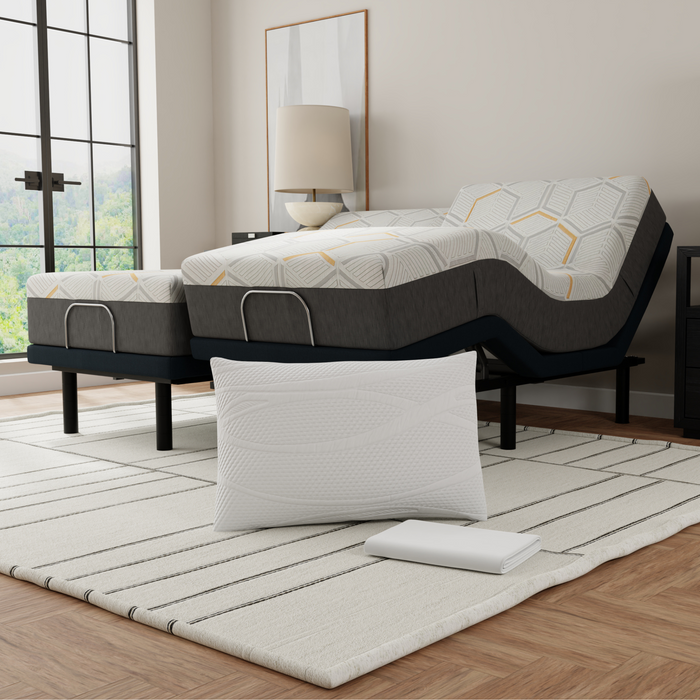
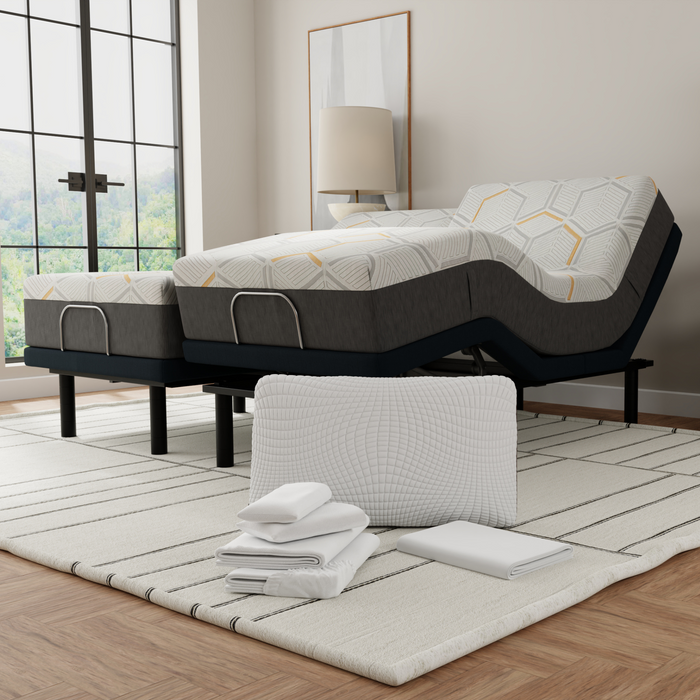
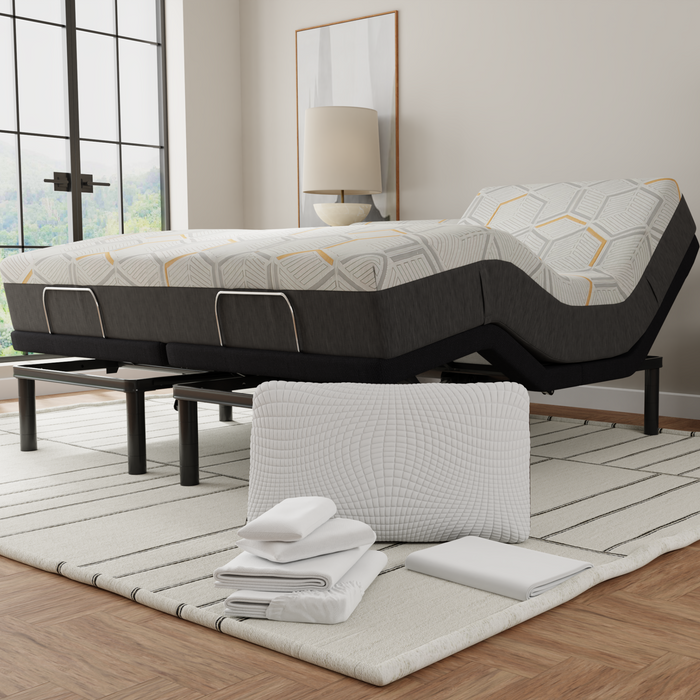
A medium-firm memory foam mattress keeps your spine in line and relieves pressure on your hips and shoulders, which is why so many people choose it when shopping for the best mattress for back pain. Memory foam also soaks up movement, so your partner rolling over at 2 a.m. is less likely to wake you. That's a big reason it often comes up as the best mattress for couples. If you run hot, look for a cooling mattress with gel or copper-infused foam, and pair it with breathable bamboo-cotton sheets.
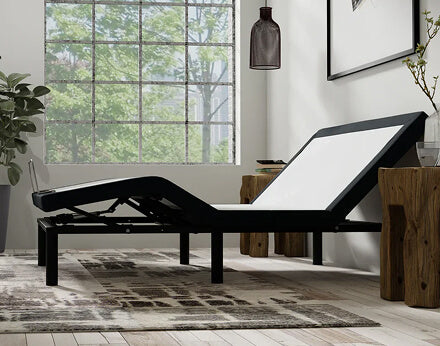
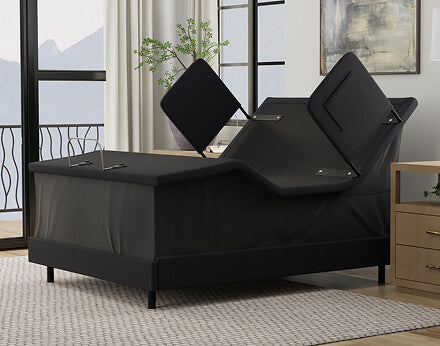
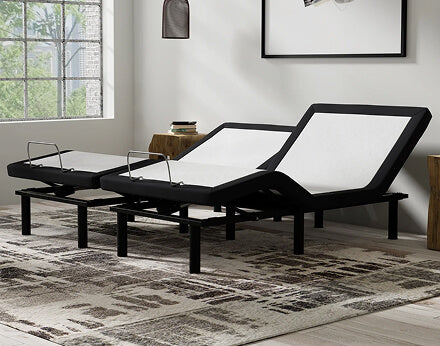
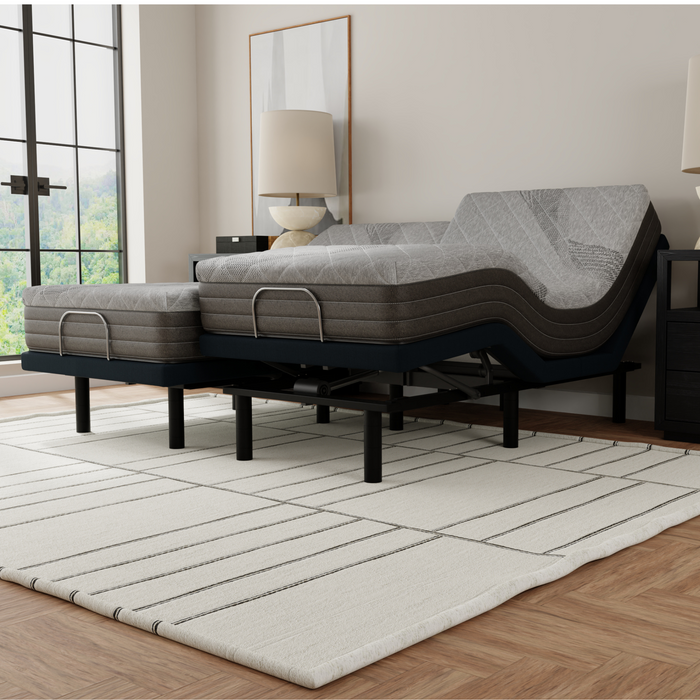
Adjustable beds help too, especially as you get older. Raising the head can ease snoring and acid reflux, and it makes sitting up to read or getting out of bed a lot easier. Here's more on whether adjustable beds improve sleep quality, plus some expert tips for falling asleep on nights your brain won't switch off.
Final Thoughts
The longest time someone slept still has no official record, but Wyatt Shaw's 11 days and cases of Kleine-Levin syndrome show how far the body can go when something's wrong. The world record without sleep belongs to Robert McDonald at almost 19 days, not Randy Gardner, and Guinness won't accept new attempts because they're too risky. What stuck with us most is how fast people bounced back. Eleven days awake, and Gardner was mostly caught up after two long nights. If you're in the mood for more odd trivia, we've collected some surprising sleep facts too.
Create a Better Sleep Environment
Getting enough sleep starts with having a comfortable place to rest each night. Visit Blissful Nights and explore our collection of mattresses and adjustable beds to find sleep options that fit your comfort and sleep needs.
Looking for help choosing the right setup? Contact us today, and our team can help you find an option for better, more comfortable nights.
FAQs
What Is the Longest Time Someone Has Slept?
There's no official record. One of the best-documented cases is Wyatt Shaw, a 7-year-old from Kentucky who slept for about 11 days in 2017. People with Kleine-Levin syndrome can also sleep up to 20 hours a day for weeks at a time during an episode.
What Is the World Record Without Sleep?
Robert McDonald of California holds the last recognized record: 453 hours and 40 minutes, just under 19 days, set in 1986. Guinness stopped monitoring the category in 1997 because of the health risks.
Can Sleeping Too Much Be a Sign of a Problem?
Yes. Sleeping for unusually long periods can happen with conditions like Kleine-Levin syndrome. If long sleep comes with confusion, appetite changes, or unexplained episodes, it may be a good idea to speak with a doctor. Pasted markdown
How Much Sleep Should Adults Get Each Night?
The CDC recommends at least 7 hours of sleep per night for adults ages 18 to 60. Consistent, good-quality sleep is more important than trying to sleep for an extreme number of hours.
Can the Right Mattress Help With Sleep Recovery?
Yes. A supportive mattress that relieves pressure and stays cool helps you fall asleep faster and wake up less, so you spend more of the night in deep and REM sleep. A lot of people pair a memory foam mattress with an adjustable bed so they can find a comfortable angle for back pain, snoring, or reading in bed.


Leave a comment
This site is protected by hCaptcha and the hCaptcha Privacy Policy and Terms of Service apply.