











Key Takeaways:
- You can clean a memory foam mattress at home by stripping the bed, vacuuming, blotting stains with a little mild detergent or enzyme cleaner, deodorizing with baking soda, vacuuming again, and letting the foam dry completely.
- Use as little liquid as possible. Memory foam acts like a sponge, and water trapped inside can turn into mold.
- Enzyme cleaners work best on blood, sweat, and urine, while most other spills come out with mild detergent suds. Save hydrogen peroxide for a last resort, since it can bleach or damage memory foam.
- Never use steam cleaners, bleach, ammonia, or harsh solvents on memory foam, and never soak it or put it in the washing machine or dryer.
- Drying decides whether the clean worked. Give the mattress several hours of airflow, up to a full day if you used more liquid, and press a dry paper towel into cleaned spots to check before remaking the bed.
- Deep clean every six to 12 months, vacuum monthly, and use a waterproof protector to keep sweat and spills away from the foam. If you see mold, notice a musty smell that keeps coming back, or feel sagging, it's time to replace the mattress.
You wash your sheets every week. The mattress under them? Probably not in a while, and memory foam holds onto sweat, body oils, and that coffee you swore you didn't spill. It's also picky about how you clean it. Too much water, a harsh spray, or a steam cleaner can leave you with mildew or foam that starts to crumble.
The good news is you don't need much to keep a clean memory foam mattress: a vacuum, baking soda, a mild cleaner, and some patience while it dries. We'll walk through the deep clean step by step, then cover urine and sweat stains, what never to put on foam, and how often to bother.
How to Clean a Memory Foam Mattress
How can I clean a memory foam mattress without ruining it? Strip the bed, vacuum it, blot stains with a little mild detergent or enzyme cleaner, sprinkle on baking soda, vacuum again, and let it dry completely. Go easy on the liquid. Memory foam acts like a sponge, and water trapped inside can turn into mold.
What You'll Need Before You Start
You probably have most of this at home already:
- A vacuum with an upholstery or soft brush attachment
- Baking soda
- Mild, clear dish soap or laundry detergent
- An enzyme cleaner for sweat, urine, or blood
- White vinegar and a spray bottle
- Two or three clean white cloths or towels
Start early in the day if you can. Drying takes the longest, and you'll want your bed back by bedtime.
1. Strip the Bed and Wash the Cover
Pull off the sheets, pillowcases, mattress protector, and any topper, and wash them the way their care labels say.
If your mattress has a removable cover, check the tag first. A lot of covers can go in the washer. The foam inside never can.
2. Vacuum Every Surface
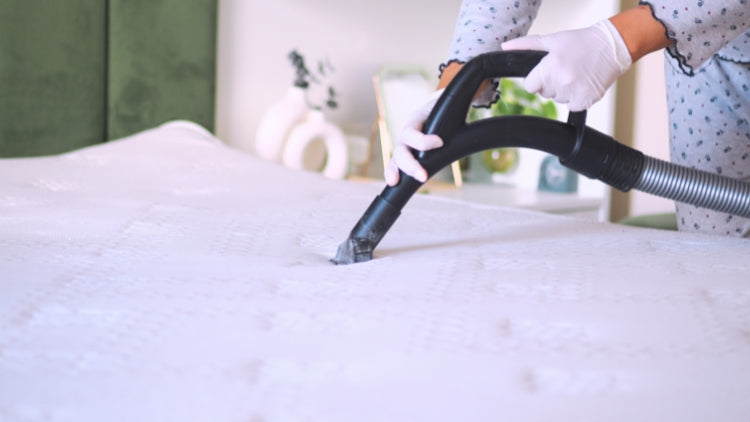
Run the upholstery attachment slowly over the top, the sides, and along the seams in overlapping rows. Give the edges a little extra time, since that's where dust and crumbs end up. A soft brush head is easier on the cover fabric.
3. Spot-Treat Stains
Stir a few drops of mild detergent into a cup of cool water until it foams. Dip a cloth into the suds, not the water underneath, and blot the stain from the outside in. Using a cloth instead of a spray bottle keeps liquid out of the foam, which isn't meant to get wet.
Blot, don't rub. Rubbing just pushes the stain deeper and roughs up the foam. When the stain lifts, blot with a cloth dampened in plain water to rinse, then press a dry towel down to soak up whatever's left.
4. Deodorize With Baking Soda
Sprinkle baking soda over the whole surface, and don't be stingy. It pulls out odors and leftover moisture without adding any liquid. Give it a few hours at minimum. All day with a window open is even better.
5. Vacuum Again
Vacuum up the baking soda with the same slow, overlapping passes. Check the seams, because powder loves to hide there.
6. Let It Air Dry Completely
This is the step people rush, and it decides whether the whole clean worked. After spot cleaning, give the mattress at least several hours of airflow. If you used more than a little liquid, plan on a full day.
Open windows or run a fan. Skip the hair dryer and space heater, because direct heat can damage memory foam.
To check, press a dry paper towel firmly into each spot you cleaned. If it comes up even slightly damp, keep drying. Wet memory foam can grow mold inside the mattress and break down over time.
7. Protect It Before You Remake the Bed
Once the foam is dry, put a waterproof mattress protector on before the sheets. Next time you deep clean, you'll be glad you did. If yours is due for a wash, here's how to wash a mattress protector without wrecking the waterproof layer.
How to Get Stains Out of Memory Foam
Enzyme cleaners are your best bet for blood, sweat, and urine. The enzymes break down the proteins behind both the stain and the smell. Most other spills come out with mild detergent suds.
|
Stain |
What to Use |
How to Treat It |
|
Sweat and yellowing |
Enzyme cleaner or mild detergent suds |
Blot, rinse with a damp cloth, dry, then baking soda |
|
Urine |
Enzyme cleaner or 1:1 white vinegar and water |
Blot fast, treat, then baking soda for several hours |
|
Blood |
Cold water, then enzyme cleaner |
Always cold water; hot water sets blood |
|
Coffee, tea, wine |
Mild detergent suds |
Blot right away, rinse, dry |
|
Vomit |
Enzyme cleaner |
Remove solids first, treat, then baking soda |
You'll see hydrogen peroxide recommended for stubborn stains. Be careful with it. Sleep Foundation warns it can bleach or damage memory foam, so treat it as a last resort and test a hidden spot first. If old yellow marks won't budge, our post on what causes yellow stains on a mattress explains why they form.
How to Clean Memory Foam Mattress After Bedwetting
Move fast. Strip the wet bedding, then press dry towels into the spot to pull out as much urine as you can. Blot on an enzyme cleaner or a 1:1 vinegar and water mix, wait 10 to 15 minutes, and blot again with clean water. Cover the spot with baking soda for several hours, vacuum it up, and let the foam dry fully. There's a more detailed walkthrough in our guide on how to get pee out of a mattress.
What Not to Use on Memory Foam

A few common cleaning habits do more harm than good on foam:
- Steam cleaners. The heat and moisture from steam get pushed deep into the foam, where they weaken it and leave damp spots that can grow mold. Skip steam unless your mattress maker specifically says it's safe.
- Bleach, ammonia, and harsh solvents. Strong chemicals can break down memory foam and leave behind odors that are hard to air out.
- Soaking or pouring liquid. Foam holds water deep inside, where it can't dry.
- The washing machine or dryer. Agitation tears foam, and dryer heat damages it.
- Vinegar and baking soda mixed in one bottle. They react and cancel each other out. Use them one after the other instead.
Why Regular Cleaning Pays Off
Your mattress collects more than you'd think. Dead skin, sweat, and body oils work into the top layers of foam, and dust mites feed on all of it. If you have allergies or asthma, that buildup can make nights noticeably worse. Our guide to controlling bedroom allergies goes deeper on that.
There's a money side too. Sweat and spills that sit in foam break it down faster, and yellow stains can void some warranties. Regular cleaning keeps the foam supportive for longer, which protects what you paid for it. So what counts as regular? The schedule below keeps it simple.
How Often Should You Deep Clean a Memory Foam Mattress?
Wayfair suggests deep cleaning memory foam every six to 12 months to keep mold, bacteria, and dust mites in check. The small stuff in between is what keeps that deep clean quick.
|
Task |
How Often |
|
Wash sheets and pillowcases |
Weekly |
|
Vacuum the mattress |
Monthly |
|
Wash the mattress protector |
Every few weeks, and after any spill |
|
Rotate head to foot |
Every 3 to 6 months |
|
Full deep clean |
Every 6 to 12 months |
|
Treat spills and accidents |
Right away |
How to Keep a Clean Memory Foam Mattress All Year

Honestly, preventing a mess is a lot easier than scrubbing one out. A waterproof protector stops sweat and spills before they reach the foam, and a cool, well-ventilated bedroom lets moisture escape overnight. If you snack in bed, a quick crumb check before lights out saves a lot of vacuuming later. Our Blissful Nights mattress care guide covers rotation, support, and care that keeps your warranty intact.
When Cleaning Isn't Enough
Sometimes a mattress is past saving. Mold, a musty smell that keeps coming back, or new aches from sagging foam all mean cleaning won't fix it. Most memory foam mattresses last around 8 to 10 years with good care. After that, the foam loses support however clean it is.
Time for a fresh start? Blissful Nights memory foam mattresses use CertiPUR-US certified foam with cooling layers and pressure relief for back, side, and combination sleepers.
Final Thoughts
Keeping a clean memory foam mattress mostly comes down to patience. Vacuum, treat stains with as little liquid as you can, let the baking soda sit, and give the foam real time to dry. Leave steam, bleach, and soaking out of it, and get a waterproof protector on before the sheets go back. Do that twice a year with a monthly vacuum in between, and the next deep clean will go a lot faster.
Sleep Fresh Every Night With Blissful Nights
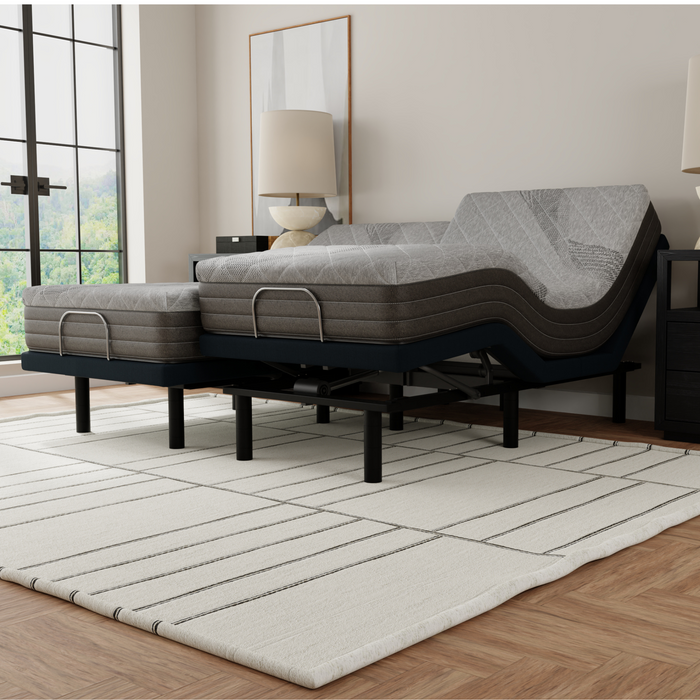
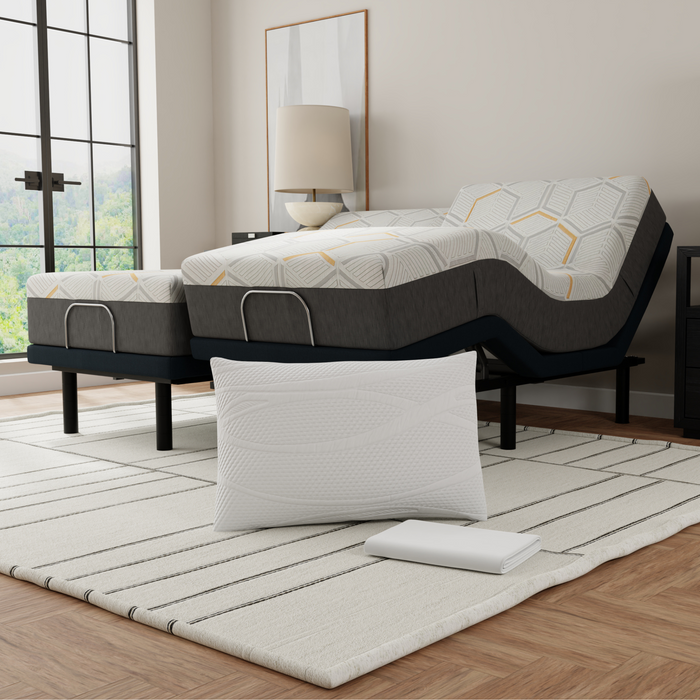
Say goodbye to restless nights. Blissful Nights makes luxury memory foam mattresses, adjustable beds, and waterproof, hypoallergenic mattress protectors that help keep your bed clean from night one.
Contact us if you'd like help picking the right setup. Start Sleeping Blissfully. Shop Now!
FAQs
Can You Wash a Memory Foam Mattress?
Not in a washing machine, and never by soaking it. A removable cover can go in the wash if its tag says so, but the foam itself only gets vacuumed and spot cleaned with a little mild cleaner.
How Can I Clean a Memory Foam Mattress?
Strip the bed, vacuum, blot stains with mild detergent or an enzyme cleaner, cover the top with baking soda for a few hours, vacuum again, and let it air dry completely before the protector and sheets go back on. Do a full deep clean every six to 12 months and a quick vacuum once a month.
How Long Does a Memory Foam Mattress Take to Dry?
A lightly spot-cleaned area usually dries in several hours with good airflow. If you used more liquid, plan on up to a full day. Press a dry paper towel into the spot to check before remaking the bed.
Is Vinegar Safe for Memory Foam?
Yes, in small amounts. A 1:1 mix of white vinegar and water, blotted on with a cloth, helps with odors and light stains. Follow it with baking soda to absorb the vinegar smell, and don't mix the two in the same bottle.
Can I Use a Steam Cleaner on a Memory Foam Mattress?
Better not. Steam pushes heat and moisture deep into the foam, where it can weaken the material and lead to mold. Stick with vacuuming, spot cleaning, and baking soda unless your manufacturer says steam is fine.




Leave a comment
This site is protected by hCaptcha and the hCaptcha Privacy Policy and Terms of Service apply.