










Key Takeaways:
- Whether it is better to sleep with your head or feet elevated depends on what you are trying to fix. Head elevation and feet elevation solve different problems.
- Raising the head changes how gravity acts on the airway, sinuses, and digestive system. It makes it harder for stomach acid to travel up the esophagus and helps keep throat tissue from collapsing, which is why it is often used for acid reflux, snoring, and sinus pressure during a cold.
- Raising the feet works on circulation. When the feet and lower legs sit above heart level, gravity helps blood flow back toward the heart, which may ease swelling, tired legs, and varicose vein discomfort. Keep the feet only slightly above heart level.
- Feet elevation is not risk-free for everyone. People with heart failure, a suspected blood clot or DVT, peripheral artery disease, or pregnancy complications such as preeclampsia should talk to a doctor first, as should anyone with a diagnosed heart, kidney, or liver condition.
- For people without reflux, congestion, or sleep apnea, sleeping flat comes down to comfort rather than medical need. A steep incline can make it harder to fall asleep and leave the neck sore, so a gentle rise works best.
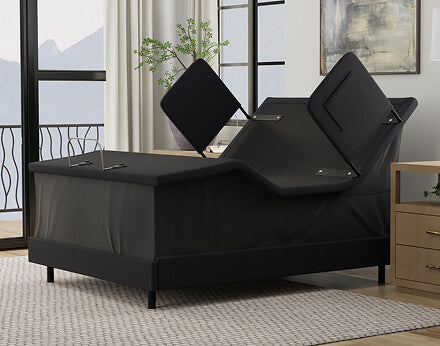
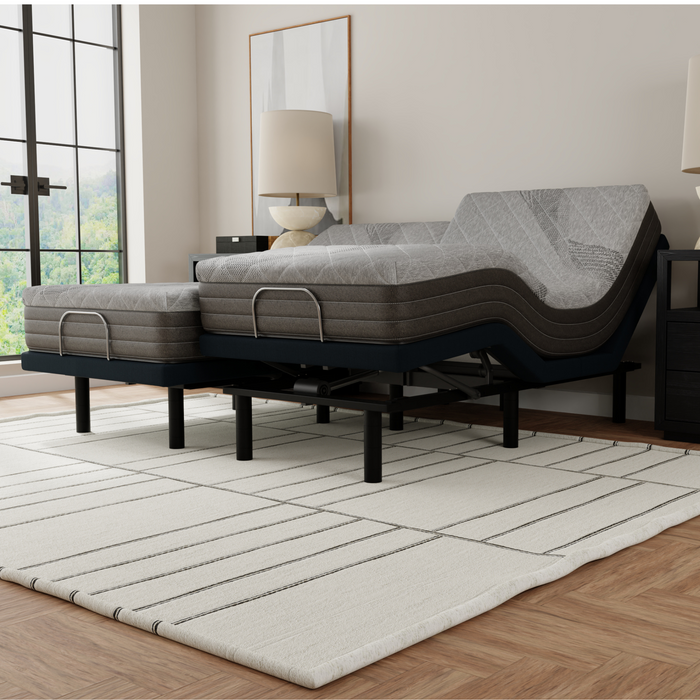
- Pillows can work as a short-term test, but they slide and go flat. An adjustable base holds a consistent angle, and the zero-gravity setting lifts the head and feet together to ease lower back pressure while still helping circulation.
If you've ever propped a pillow under your knees to ease a sore back, or stacked a couple more under your head to stop a coughing fit, you already know a flat mattress isn't the only option, but guessing at the wrong elevation can leave you worse off than before. So, is it better to sleep with your head or feet elevated? Honestly, it depends on what you're trying to fix, since head elevation and feet elevation solve different problems entirely. This guide breaks down what each position actually does, the risks worth knowing about, and how to figure out which one matches your symptoms so you wake up with less pain instead of a stiff neck.
What Happens When You Sleep With Your Head Elevated
Raising the head of the bed changes how gravity acts on your airway, sinuses, and digestive system. When your upper body sits higher than your stomach, stomach acid has a harder time traveling back up the esophagus, which is why people with acid reflux are often told to sleep this way.
A raised head also keeps the soft tissue in your throat from collapsing as easily. That's part of why it comes up so often in guidance for signs you might have sleep apnea or plain old snoring. A slight incline can also ease sinus pressure during a cold and take some load off the lower back by shifting your weight toward your core instead of your spine.
The trick is moderation. Too steep an incline makes it harder to fall asleep and can leave your neck sore by morning. Most people do best with a gentle rise, not a seated position.
What Happens When You Sleep With Your Feet or Legs Elevated

Sleeping with your feet elevated works on your circulatory system instead of your airway. When your feet and lower legs sit above heart level, gravity helps venous blood flow back toward your heart instead of pooling in your calves and ankles. That's the main reason people ask if sleeping with legs elevated helps with swelling, tired legs, or varicose vein discomfort.
For most healthy adults, elevating your feet for part of the night is a low-risk way to ease puffiness after a long day standing or sitting. Sleep Advisor's research on leg elevation found that keeping the ankles and calves slightly above the thighs gives the best circulation benefit without adding discomfort. People recovering from a minor leg or ankle injury are also often told to keep the area raised, which is the same RICE principle (rest, ice, compression, elevation) used in sports medicine.
Dangers of Sleeping With Feet Elevated
- This is where most articles stop short. Sleeping elevated at the feet is safe for most people, but it isn't risk-free for everyone, and a few conditions deserve real caution.
- Heart failure or serious cardiac conditions. Raising your legs pushes extra blood volume back toward the chest, which can increase the workload on a heart that's already struggling to keep up.
- Deep vein thrombosis (DVT) or a suspected clot. Elevating a leg with an active clot can, in rare cases, help the clot move, which is a medical emergency.
- Peripheral artery disease (PAD). PAD already limits blood flow reaching the legs. Raising them above the heart can reduce that flow further and worsen discomfort.
- Acid reflux paired with feet elevated higher than the head. Full-body positions that tilt your head downward relative to your feet can push stomach acid the wrong way and disrupt normal breathing.
Pregnancy complications such as preeclampsia. Fluid shifts during pregnancy already change how the body handles positioning, so a new sleep habit is worth a conversation with a doctor first.
Who Should be More Careful
If you have a diagnosed heart, kidney, or liver condition, a history of blood clots, or you're pregnant, talk to your doctor before making elevated-feet sleeping a nightly habit. For everyone else, mild elevation for part of the night is generally considered safe, though it's still worth paying attention to how your body responds.
Sleeping Flat Vs Head Elevated: What Actually Changes
For people without reflux, congestion, or sleep apnea, sleeping flat vs head elevated comes down to comfort rather than medical need. A flat mattress keeps your spine in a neutral line and is often more comfortable for stomach and side sleepers, who tend to slide when the bed is tilted.
Head elevation becomes the better option once a specific symptom shows up: chronic snoring, occasional reflux, a stuffy nose, or recovery from certain surgeries where doctors specifically recommend keeping the upper body raised. If none of those apply to you, there's no need to force an incline. If one does, a modest elevation is worth testing before you assume a new mattress or medication is the only fix.
Head or Feet Elevated, Side by Side
|
Factor |
Head elevated |
Feet or legs elevated |
|
Best for |
Snoring, sleep apnea symptoms, acid reflux, nasal congestion |
Leg swelling, tired legs, varicose vein discomfort, minor injury recovery |
|
How it works |
Reduces airway collapse and keeps stomach acid down |
Uses gravity to help venous blood return to the heart |
|
Recommended angle |
Gentle incline, roughly 6 to 8 inches at the head |
Feet slightly above heart level, not extreme |
|
Who should be cautious |
People prone to neck stiffness at steep angles |
Heart failure, active DVT, PAD, or pregnancy complications |
|
Easiest way to try it |
Extra pillows or an adjustable base with independent head and foot lift |
Extra pillows under the calves or an adjustable base |
How Adjustable Beds Make Sleeping Elevated Easier

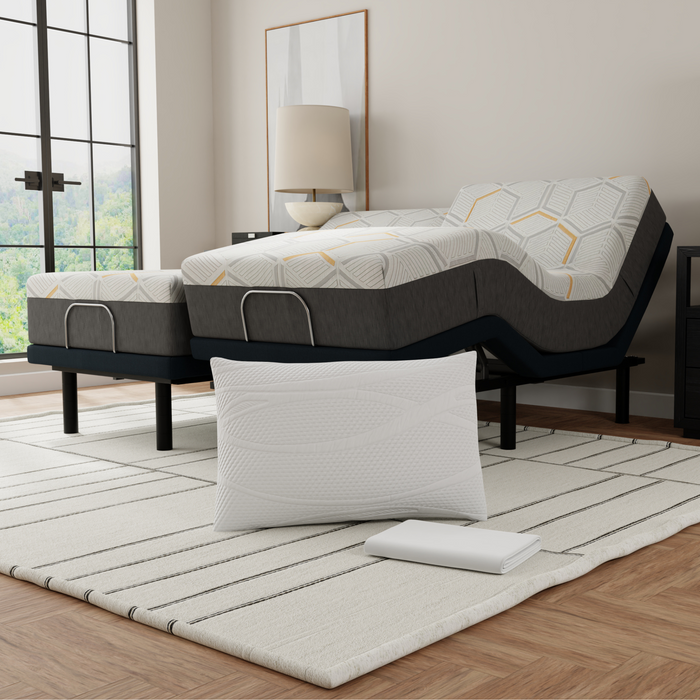
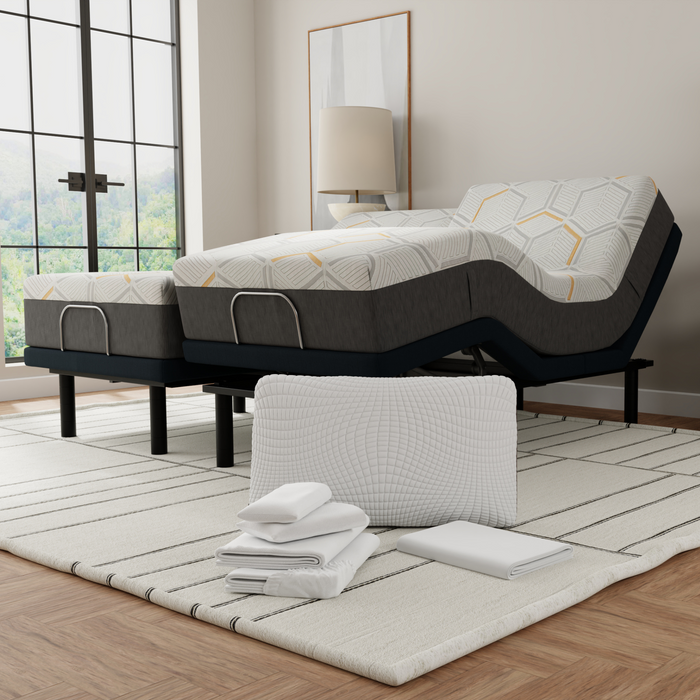
Pillows work as a short-term test, but they slide around, go flat, and rarely hold a consistent angle through the night. An adjustable base fixes that: you can raise the head, the feet, or both independently and hold that position without readjusting every time you roll over.
Many people combine both positions with the zero gravity setting on an adjustable base, which lifts the head and feet slightly at the same time. That position takes pressure off the lower back while still helping circulation.
This dual-lift approach also comes up often in research on how adjustable beds ease snoring and back pain, since neither symptom responds well to a completely flat mattress.
If you want the fuller picture of what a motorized base can do beyond these two positions, this rundown of health benefits of an adjustable base covers the rest.
Final Thoughts
So, is it better to sleep with head or feet elevated? It usually comes down to a few common mistakes: guessing at the wrong incline, relying on pillows that slide out of place overnight, ignoring symptoms that call for a specific position, and elevating without accounting for an existing health condition.
Think about what you're actually trying to fix before you decide how to sleep. Raise your head if snoring, congestion, or reflux disrupts your night. Raise your feet if swelling or circulation is the issue. A consistent, well-supported incline does more for your sleep than piling on extra pillows and hoping they hold.
Improve Your Sleep Position Today
Don't let a stack of shifting pillows or the wrong incline make your nights harder than they need to be. Choose the elevation that matches your actual symptoms, use a base built to hold it, and you'll wake up with less pain and less swelling, and fewer interruptions along the way.
To learn more about how Blissful Nights can help improve your sleep, visit Blissful Nights.
Contact us today to explore adjustable base options built for real support. Find the right elevated sleep position for you.
FAQs
Is it good to sleep with your feet elevated every night?
For most healthy adults, yes. Mild feet elevation most nights is fine and can ease swelling and tired legs. People with heart, kidney, or circulation conditions should check with a doctor first.
How high should I elevate my feet when sleeping?
Keep your feet only slightly above heart level. Extreme angles don't add extra benefit and make the position harder to hold through the night.
Can sleeping with your head elevated help with snoring?
Yes. Raising the head reduces airway collapse in the throat, one of the more common causes of snoring and mild sleep apnea symptoms.
Is sleeping flat bad for you?
No. Sleeping flat is fine for most people without reflux, congestion, or circulation concerns. Elevation is a targeted fix, not a requirement for everyone.
Can I elevate both my head and feet at the same time?
Yes, this is often called the zero gravity position. It combines the airway and circulation benefits of both positions while easing pressure on the lower back.




Leave a comment
This site is protected by hCaptcha and the hCaptcha Privacy Policy and Terms of Service apply.