







Key Takeaways:
- Many chiropractors do recommend adjustable beds, because the right setup can take pressure off the spine. The recommendation usually comes with conditions rather than a blanket yes for every base.
- Chiropractors focus on keeping the spine in a neutral position during sleep. Raising the head, the feet, or both can reduce pressure on the lumbar spine and open up the hips, which may support conditions like sciatica, arthritis, and mild scoliosis.
- Rather than endorsing a brand, chiropractors look for a set of features: independent head and foot adjustment, a zero-gravity setting, a mattress firm enough to prevent lumbar sagging, massage, and quiet, smooth motors. A base that only lifts the head can create compression similar to sitting up.
- The benefits go beyond comfort. Raising the knees relaxes the hip flexors and eases lower back pressure, a modest head incline reduces neck strain and helps circulation, and fewer pressure points may mean fewer nighttime wake-ups.
- Massage and incline features can add to those benefits, and pairing the base with a supportive mattress makes the whole setup more effective, since the base cannot make up for a sagging mattress.
- An adjustable bed is not right for everyone. Some forms of spinal stenosis or disc issues can worsen in inclined positions, so anyone with a diagnosed spinal condition should ask their chiropractor which positions are safe before buying.
If you deal with regular back or neck pain, you've probably wondered whether your bed is part of the problem, tossing all night and waking up stiffer than when you went to sleep. It's a fair question, it's the one that leads a lot of people to ask, 'do chiropractors recommend adjustable beds,' before they spend money on one. The short answer is yes. Many chiropractors do recommend adjustable beds, and the right setup can take pressure off the spine instead of adding to it. This guide covers what chiropractors actually say about adjustable beds, the features they look for, and whether the investment is worth it for your specific pain.
What Chiropractors Actually Say About Adjustable Beds
Chiropractors care about one thing above all else when it comes to sleep: keeping your spine in a neutral position for as many hours as possible. A flat, unsupportive mattress forces your spine into whatever shape gravity and your body weight create, and that shape is often not a healthy one.
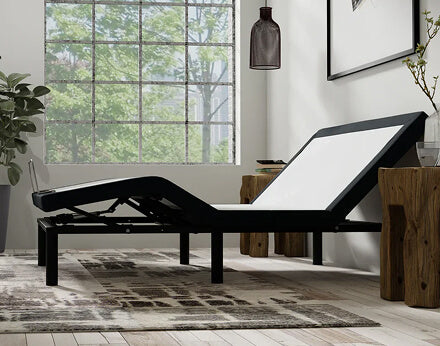
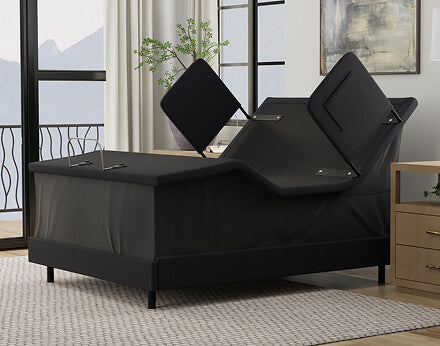
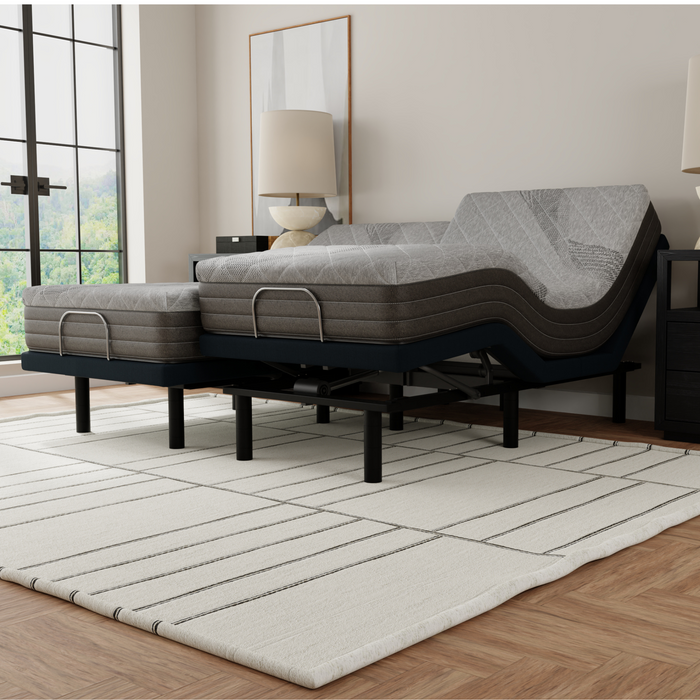
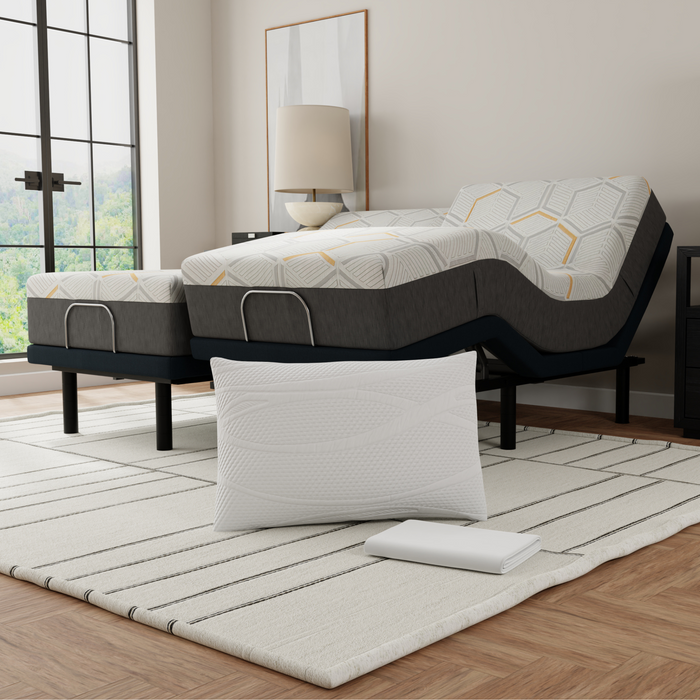
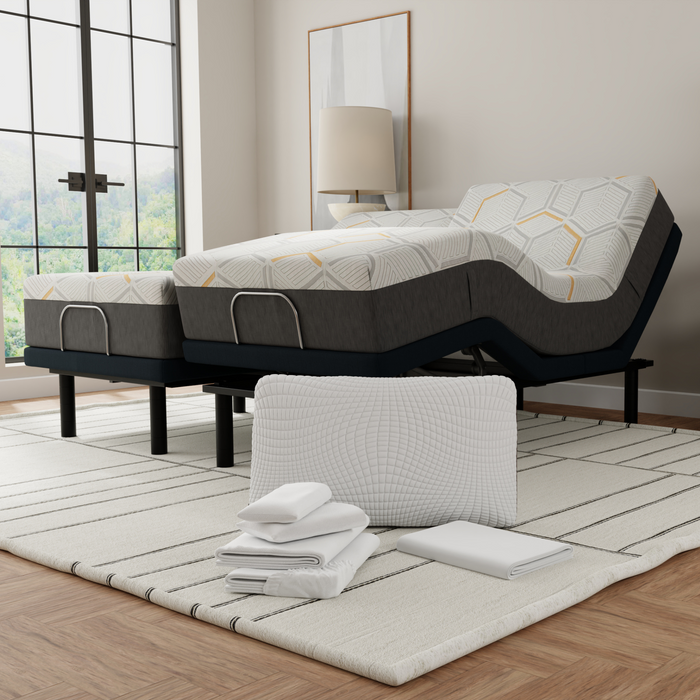
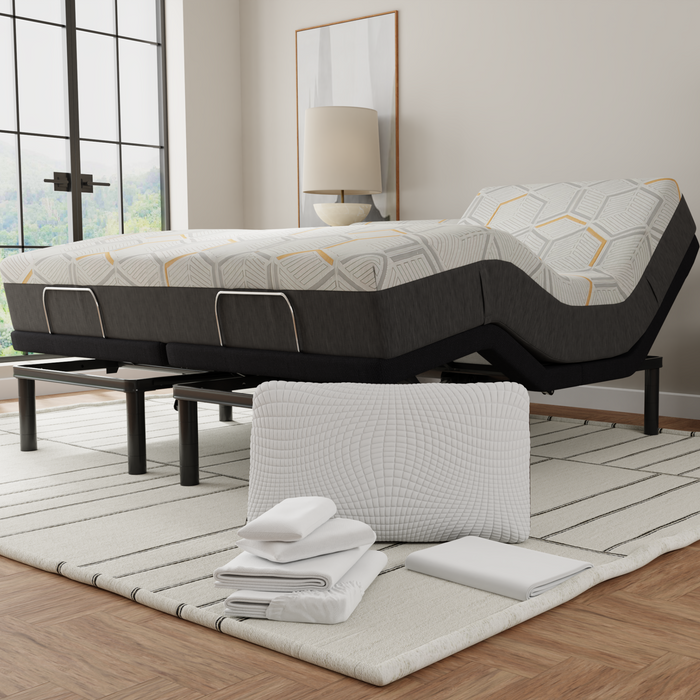
An adjustable base for back pain relief gives chiropractors a tool to correct that. By raising the head, the feet, or both, an adjustable base can reduce pressure on the lumbar spine, open up the hips, and support conditions like sciatica, arthritis, and mild scoliosis. That's why so many chiropractors bring up adjustable beds when patients ask about a chiropractor bed for home use, not just what happens in the office.
What Bed Do Chiropractors Recommend?

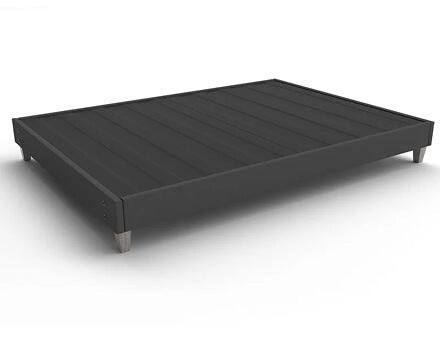
Chiropractors aren't endorsing a specific brand so much as a specific set of features. When patients ask what bed chiropractors recommend, the answer usually comes down to a short checklist to look for when shopping adjustable bed bases:
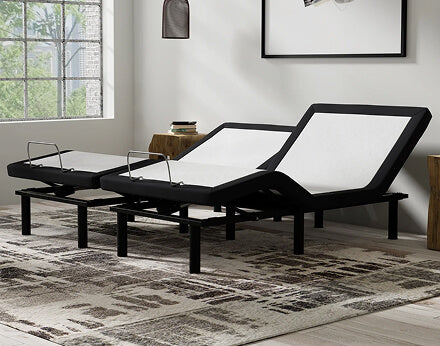
- Independent head and foot articulation, not just a head-only tilt
- A zero gravity setting that distributes weight evenly across the spine
- Enough firmness in the mattress to prevent sagging at the lumbar area
- A massage function for easing muscle tension around the lower back and shoulders
- Quiet, smooth motors so the base doesn't disturb sleep when adjusted
A base that only lifts the head can actually create the kind of compression a chiropractor is trying to avoid, since it puts your spine in a position similar to sitting up. Look for a massage-enabled adjustable base that raises both ends independently. That combination covers most of what chiropractors look for in one product.
Benefits of an Adjustable Base for Spinal Health
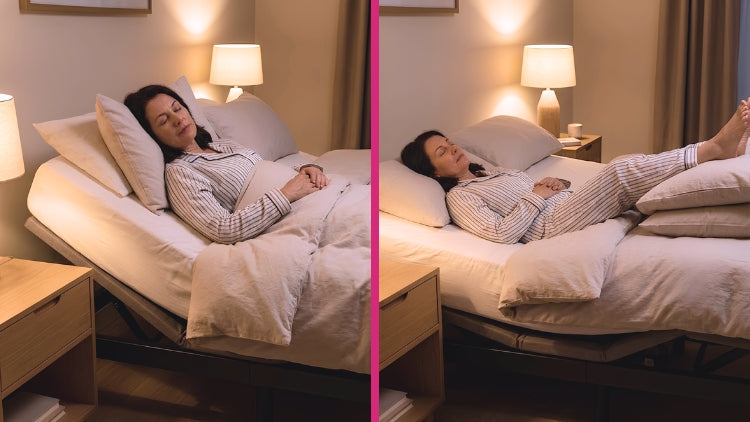
The benefits of an adjustable base go beyond comfort. Raising your knees slightly takes pressure off the lower back by relaxing the hip flexors, while a modest head incline reduces strain on the neck and improves circulation.
Many patients also notice fewer nighttime wake-ups once pressure points are reduced. Tossing and turning is often the body's way of escaping discomfort, not just a random habit. A well-designed zero gravity position combines both of these adjustments at once, which is why it comes up so often in chiropractic sleep advice.
When an Adjustable Bed isn't the Right Recommendation
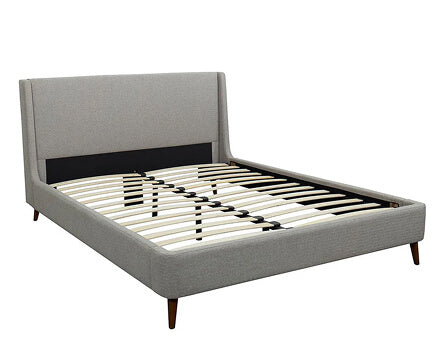
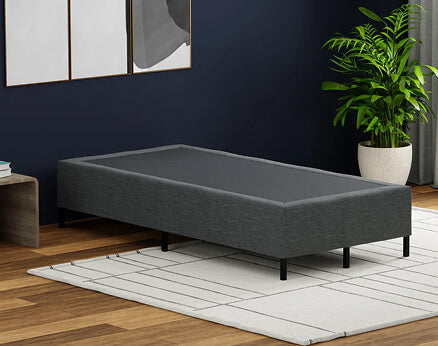
Adjustable beds aren't automatically right for every spinal condition. Some forms of spinal stenosis or disc issues can actually worsen in certain inclined positions, since a fully upright angle compresses the discs in a way similar to prolonged sitting. In these cases, a supportive, non-inclining standard bed frame paired with the right mattress firmness may be the safer starting point.
If you have a diagnosed spinal condition, ask your chiropractor which specific positions they recommend before assuming any incline setting is safe. This is one of the few places where a quick conversation before buying saves you from guessing after the fact.
Flat Bed Vs. Adjustable Bed, a Quick Comparison
|
Factor |
Flat bed |
Adjustable bed |
Adjustable bed with massage |
|
Spinal support |
Passive, depends entirely on mattress |
Active, can offload pressure points on demand |
Same as adjustable, plus muscle tension relief |
|
Best for |
Healthy sleepers with no chronic pain |
Back pain, sciatica, poor circulation |
Chronic tension alongside back pain |
|
Chiropractor relevance |
Rarely discussed directly |
Frequently recommended for spinal alignment |
Recommended when tension is a factor, not just alignment |
|
Common drawback |
No way to adjust for flare-ups |
Higher upfront cost |
Highest upfront cost of the three |
How Massage and Incline Features Support Chiropractic Goals

An incline bed frame does more than change your view of the ceiling. A gentle incline reduces the workload on your diaphragm and lower back at the same time, which is part of why chiropractors bring it up alongside posture correction instead of treating it as a separate feature.
Massage mode adds another layer that chiropractors specifically value, since vibration therapy can help loosen tight muscles around the lumbar spine before you even fall asleep. Pairing that with the best mattress for back pain, rather than whatever mattress came with your old frame, makes the whole setup more effective. The base can only do so much if the mattress on top of it sags or lacks support.
Final Thoughts
So, do chiropractors recommend adjustable beds? Most do, but the recommendation usually comes with conditions: the right articulation, the right firmness, and the right positioning for your specific spinal issue, not a blanket yes for every base on the market.
Think about what you're actually trying to fix before you shop. If pressure points and stiffness are the main issue, prioritize independent head and foot lift with a zero gravity setting. If muscle tension is layered on top of that, a massage function earns its keep. Pairing either setup with a mattress built for spinal support does more for your back than any single feature on its own.
Find the Right Adjustable Base Today
Don't let guesswork around firmness, articulation, or features leave you with a base that doesn't match your chiropractor's advice. Match the features above to your specific pain points, and you can shop with a clear list instead of a hunch.
To learn more about how Blissful Nights can help you find the right setup, visit Blissful Nights.
Contact us today to talk through which adjustable base and mattress pairing fits the back or neck issue you're actually dealing with.
FAQs
Do chiropractors recommend adjustable beds for everyone?
No. Adjustable beds help most people with back pain, poor circulation, or sciatica, but certain spinal conditions can worsen with inclined positioning. Check with your chiropractor if you have a diagnosed spinal issue.
What bed do chiropractors recommend for back pain specifically?
Most recommend a base with independent head and foot articulation, a zero gravity setting, and a supportive mattress firm enough to prevent lumbar sagging.
Is an adjustable base worth it if I don't have chronic pain?
It can still help with comfort and circulation, but the value is highest for people managing ongoing back pain, poor circulation, or sleep disruptions caused by pressure points.
Does a massage adjustable bed frame actually help with muscle tension?
Yes. Vibration massage can help loosen tight muscles around the lower back and shoulders, which chiropractors often view as a helpful addition rather than just a comfort feature.
What is the difference between an incline bed frame and a fully adjustable base?
An incline bed frame typically only raises the head, while a fully adjustable base raises the head and feet independently, which most chiropractors consider the better option for spinal support.



Leave a comment
This site is protected by hCaptcha and the hCaptcha Privacy Policy and Terms of Service apply.