

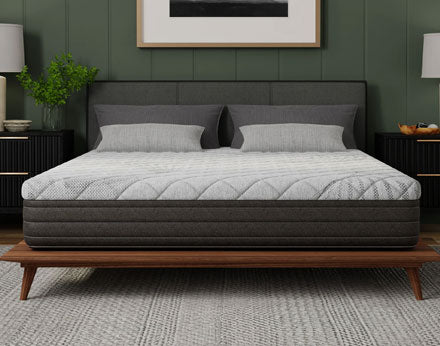

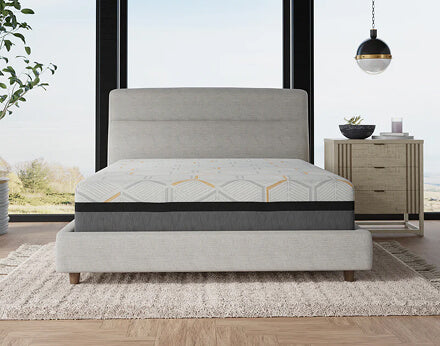






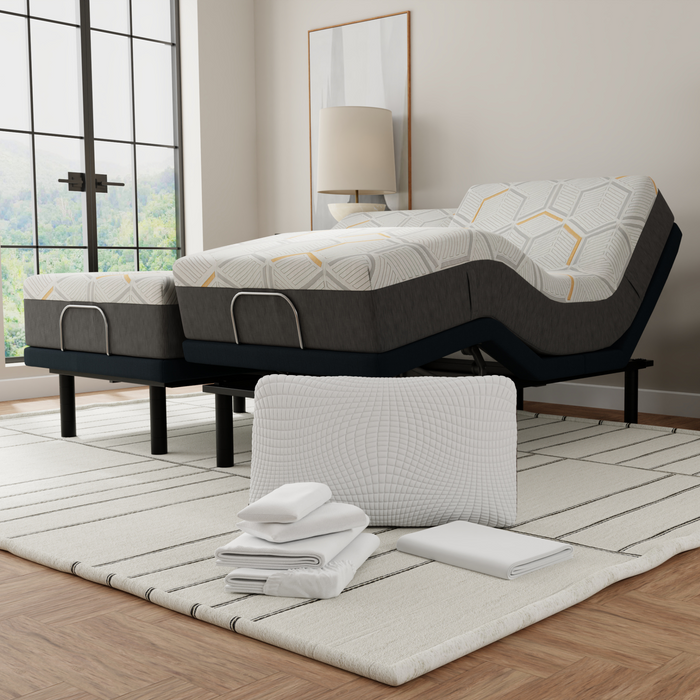

Mattress sagging usually starts slowly, then one day you realize your bed no longer feels supportive. Dips in the middle or worn spots under your shoulders and hips can lead to poor sleep and new aches that were not there before. Understanding why sagging occurs makes it easier to prevent it early.
In this guide, we explain the common causes of mattress sagging and how to prevent it. You will learn how weight, materials, support, and daily habits affect mattress wear, along with simple steps to help your mattress stay comfortable and supportive for longer.
What Mattress Sagging Actually Means
Mattress sagging is more than a mattress feeling softer. All mattresses soften a bit with use. Sagging happens when materials break down unevenly and no longer support your body properly.
You may notice a visible dip, or you may feel like your body settles into one spot each night. Sagging often appears where you sleep the most. Over time, this uneven support can affect spinal alignment and lead to ongoing discomfort, which is common for people who find themselves sleeping on a bad mattress without realizing it.
Common Causes of Mattress Sagging

Low Quality Materials
Mattresses made with low-density foam or weak coil systems wear out faster. Thin comfort layers break down under daily pressure. Once the materials lose structure, they cannot bounce back. This is one of the most common causes of early sagging in mattresses, especially budget mattresses.
Uneven Weight Distribution
Sleeping in the same spot every night puts repeated pressure on one area. Over time, the foam or coils in that area compress more than the rest of the mattress. Couples often notice sagging sooner, especially if both people sleep near the center every night.
Lack of Proper Support
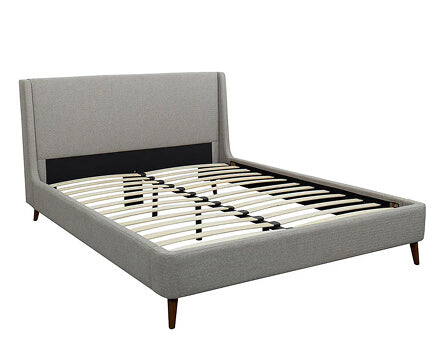
A mattress relies on its base for support. An old bed frame, missing center support, or wide slat spacing can cause sagging even if the mattress itself is still in good shape. Queen and king mattresses need center support. Without it, the mattress can dip in the middle.
Mattress Age and Daily Use
All mattresses have a lifespan. Foam breaks down. Coils lose tension. Daily use speeds this process. Most mattresses begin to show signs of sagging between seven and ten years, depending on materials and care.
Improper Foundation or Base
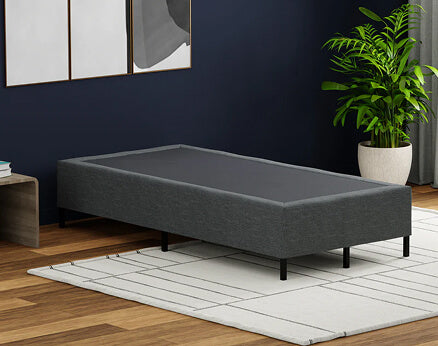
Using the wrong foundation can shorten a mattress’s life. A base that does not match the mattress type can cause uneven wear. Even placing a mattress directly on the floor can trap moisture and affect support over time.
How to Tell If Your Mattress Is Sagging
Some signs are easy to spot. Others show up in how your body feels. Look for visible dips or body impressions that do not go away during the day. Pay attention if you wake up sore or stiff more often. If you feel pulled toward the center or notice your spine feels out of line, sagging may be the cause.
You can also lay a straight object across the mattress surface. If you see gaps underneath, sagging is likely present.
How Mattress Sagging Affects Sleep
Sagging changes how your body rests. When support drops in one area, your spine can bend in ways it should not. This can lead to back pain, hip pressure, and shoulder strain. Poor support also makes it harder to move comfortably at night. This can lead to restless sleep and frequent position changes. Over time, sagging usually gets worse, not better.
How to Prevent Mattress Sagging

1. Rotate Your Mattress Regularly
Rotating your mattress helps spread wear more evenly. Most mattresses should be rotated head-to-foot every three to six months. This simple habit can slow down the formation of body impressions.
2. Use Proper Bed Support
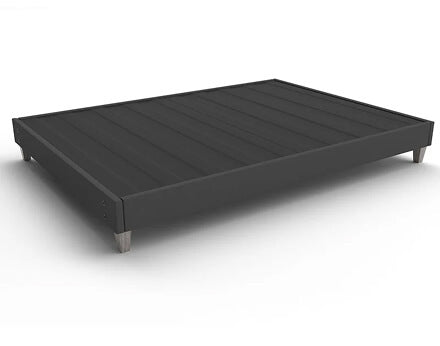
A strong bed frame matters more than many people think. Make sure your frame has solid slats or a sturdy platform. Check that slats are close enough together and that center support is present when required. Replacing a worn frame can protect a new mattress from sagging.
3. Avoid Sitting on the Same Edge
Sitting on the edge of the bed every day can wear down materials faster. Edges handle a lot of stress and tend to break down sooner. Small changes in daily habits can make a big difference over time.
4. Stay Within Weight Limits
Every mattress has weight guidelines. Exceeding them can speed up wear and sagging. This is especially important for shared beds. Choosing a mattress built for a higher weight capacity can help extend its lifespan.
5. Choose Durable Materials When Buying
One of the best ways to prevent sagging is to choose high-quality mattresses made with durable materials. Mattresses that use higher-density foam or well-built coil systems tend to keep their shape and support longer. Hybrid and latex mattresses are often good options because their stronger support layers help resist sagging over time.
Can You Fix a Sagging Mattress?
Some short-term fixes may help. Mattress toppers can add cushioning, but they do not restore lost support. Placing plywood under the mattress can reduce sagging caused by poor support, but it does not fix worn materials.
Once sagging becomes noticeable, it usually returns over time.
When It Is Time to Replace Your Mattress
If sagging causes regular discomfort, poor sleep, or visible dips that continue to grow, it may be a clear sign to replace your mattress. Waiting too long can lead to ongoing pain and restless nights. A mattress should support your body evenly and comfortably. When it no longer does, replacement makes sense.
Final Thoughts
Mattress sagging does not happen without warning. It builds slowly through material wear, lack of support, and daily habits. Knowing what causes mattress sagging and how to prevent it can help you protect your sleep and your investment. With proper support and care, your mattress can stay comfortable and supportive for years.
Stop Mattress Sagging Before It Ruins Your Sleep
If mattress sagging is starting to affect how you sleep, visit Blissful Nights to explore the best mattresses and bed bases built to provide even support night after night. Choosing the right materials and foundation can make a real difference in preventing sagging and improving comfort.
If you are unsure what option fits your needs, contact us, and our team can help you find a mattress and base that support your body properly and last longer.
FAQs
Does mattress sagging affect spinal alignment?
Yes, mattress sagging can pull your spine out of its natural position during sleep. Over time, this may lead to back pain, stiffness, or pressure points that make it harder to rest well.
Can mattress sagging cause poor sleep quality even if it looks minor?
Even small dips can change how your body is supported. Many people notice lighter sleep or frequent waking before sagging becomes very visible.
Do heavier sleepers experience mattress sagging faster?
Weight plays a role in how quickly materials compress. Mattresses with stronger support layers tend to hold up better for higher weight ranges over time.
Is mattress sagging worse in warmer climates?
Heat can soften foam materials, which may speed up compression in some mattresses. Using proper support and breathable materials helps reduce this effect.
Can an adjustable base prevent mattress sagging?
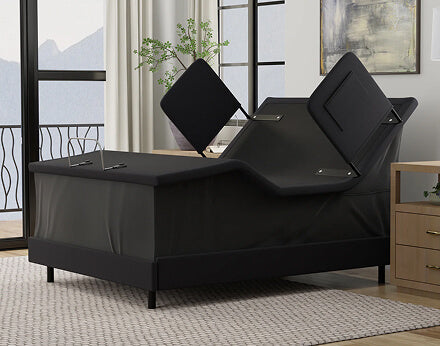
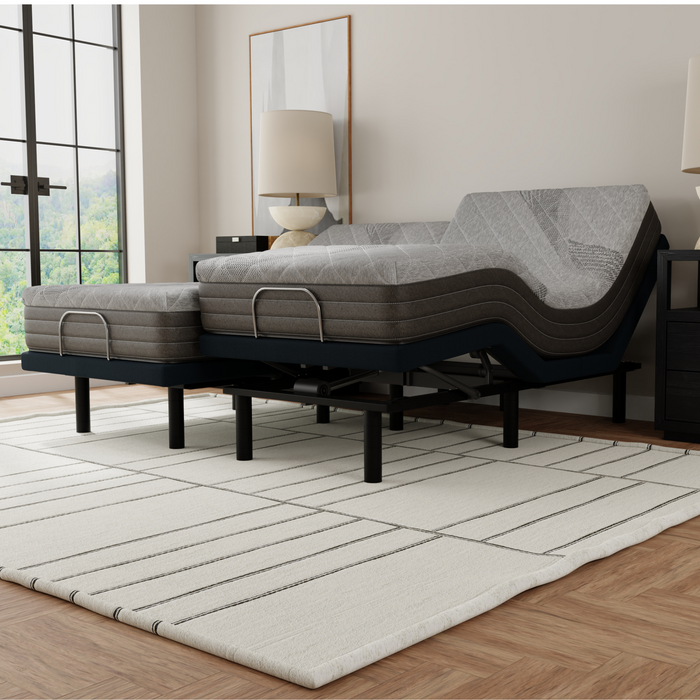
An adjustable base can provide more even support than weak frames or worn slats. However, the mattress itself still needs quality materials to resist sagging long term.


Leave a comment
This site is protected by hCaptcha and the hCaptcha Privacy Policy and Terms of Service apply.