




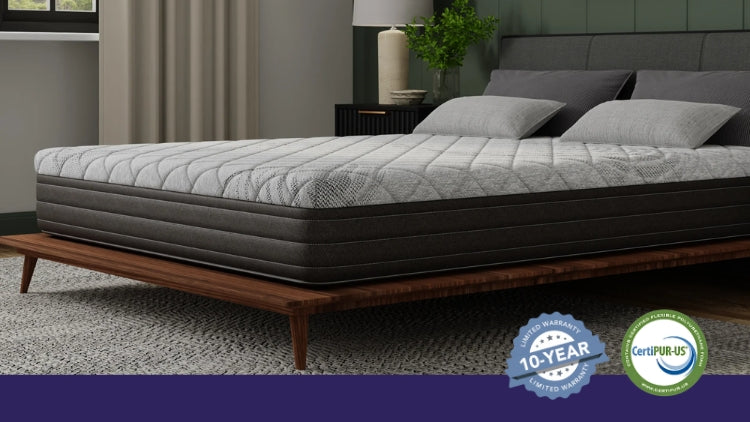
Choosing a new mattress can feel easier when you know what the labels and certifications actually stand for. These certifications are meant to protect sleepers from unsafe foams, harsh chemicals, and materials that could affect their comfort or indoor air quality. They also give you peace of mind by confirming that the mattress meets certain health and safety standards.
Certifications aren’t there for looks. They help shoppers make smart choices, especially families, sensitive sleepers, and anyone who wants cleaner materials in their home. Let’s go through the mattress certifications you’ll see most often and what they really mean.
Why Mattress Certifications Matter
Each mattress types are built differently. Some use foam, others use textiles, and many combine several materials. Certifications help confirm that those materials meet specific safety and environmental requirements. This can be especially helpful for people who deal with allergies, strong chemical sensitivities, or breathing issues.
These labels also help filter out products made with chemicals you may want to avoid, like harmful flame retardants or high VOC emissions. For parents setting up a child’s room or couples moving into a new home, certifications provide an added level of confidence that the mattress has been tested for safety.
Mattress Certifications and What They Mean

1. CertiPUR-US®
CertiPUR-US is one of the most recognized certifications for memory foam. It confirms that the foam is made without chemicals such as formaldehyde, mercury, lead, or certain flame retardants. It also ensures the foam has low VOC emissions, helping keep indoor air cleaner.
If you’re buying a memory foam or hybrid mattress, this certification is one of the most important to look for.
2. OEKO-TEX® Standard 100
OEKO-TEX Standard 100 tests fabrics and textile materials for harmful substances. This includes the cover, quilting, and any fabric layers in the mattress. The certification helps ensure the fabric touching your skin is clean and safe.
This is great for kids, people with allergies, or anyone who reacts easily to irritants.
3. GREENGUARD and GREENGUARD Gold
These certifications focus on low emissions. GREENGUARD Gold is the stricter version and is often recommended for nurseries or small bedrooms with limited airflow.
It reduces the chances of chemical smells or air pollutants getting trapped in your home.
4. GOLS (Global Organic Latex Standard)
GOLS covers latex mattresses made from organic latex. It verifies that the latex comes from certified organic plantations and follows strict production standards.
If you're exploring natural or eco-focused mattresses, this certification is worth checking.
5. GOTS (Global Organic Textile Standard)
GOTS applies to textiles like organic cotton or wool. It confirms that the fiber is grown and processed using ethical and environmentally conscious practices.
Shoppers who prefer natural materials usually look for this certification.
6. USDA Organic
The USDA Certified Organic label is typically applied to agricultural materials, such as cotton or wool. It verifies that the material was grown without synthetic pesticides or fertilizers.
You may see this label used alongside GOTS.
Which Certification Should You Prioritize?

It depends on the type of mattress you want.
- If you're buying memory foam, look for CertiPUR-US. It checks the most important safety boxes for foam.
- If you want something focused on cleaner fabrics, OEKO-TEX Standard 100 is very helpful.
- For eco or organic shoppers, GOLS and GOTS offer the highest level of material assurance.
- And if indoor air quality is your biggest concern, GREENGUARD Gold is one of the strongest options.
You don’t need a mattress with every certification. What matters is choosing the ones that match your needs and values.
Common Myths About Mattress Certifications
Some shoppers think certifications guarantee comfort, but they only cover safety and materials. Comfort still depends on firmness, support, and your sleep style. Others believe that every mattress must be fully organic to be safe, which isn’t true. Certified foam can be a clean and safe choice. And some think certifications are marketing badges. In reality, the testing process is strict and verified by independent organizations.
Where to Find Certification Labels
Most brands list them directly on the product page, near the specs or materials section. You can also check the official certification websites to confirm if a brand is listed. This helps you avoid false claims and makes you feel more confident about your purchase.
Final Thoughts
Understanding mattress certifications makes mattress shopping much easier. These labels help you confirm safety, material quality, and cleaner indoor air so you can choose a mattress that supports your health and comfort. When you know what each certification means, the process feels clearer and less confusing.
Ready to Choose a Safer Mattress?
Choosing a mattress is much simpler once you know what each label means. If you’re looking for a safer sleep setup with materials you can feel confident about, start by checking the certifications listed above. At Blissful Nights, we focus on sleep products made with clean, reliable materials backed by certifications that matter.
Contact us and explore our mattress collection. Rest easier knowing you’re choosing a safer sleep environment for your home.
FAQs
Do I need all certifications on one mattress?
No. Pick the ones that match your needs. Foam shoppers often look for CertiPUR-US, while organic buyers prefer GOLS or GOTS.
Does CertiPUR-US guarantee a healthier mattress?
It confirms the foam meets safety standards and has low emissions. It does not affect firmness or comfort, but it helps keep your home cleaner.
What’s the difference between OEKO-TEX and GOTS?
\OEKO-TEX checks if the fabric is free from harmful chemicals. GOTS confirms the fabric is organic and ethically produced.
Are certified mattresses safer for kids?
Yes. Certifications like GREENGUARD Gold and OEKO-TEX help reduce exposure to irritants and high-emitting substances.
Can a mattress be comfortable without certifications?
Yes, but certifications help confirm safety. They’re an added layer of reassurance, not a measure of comfort.



Leave a comment
This site is protected by hCaptcha and the hCaptcha Privacy Policy and Terms of Service apply.