















A squeaky or shaky bed frame can turn a good night’s sleep into a constant distraction. Every time you roll over, the noise pulls you out of rest and makes the bed feel unstable. Even a solid mattress cannot fix the problem if the frame underneath is making sounds or wobbling.
This guide walks through practical ways to stop a bed frame from squeaking or shaking. Some solutions take minutes. Others help you decide if replacement makes more sense. Either way, the goal is better sleep with less noise.
Why Bed Frames Squeak or Shake
Bed frames usually make noise because something is moving when it shouldn’t. Loose screws, worn joints, or parts rubbing together can all create sound. Over time, normal use causes small shifts that turn into squeaks.
Shaking often comes from poor support. An uneven floor, weak slats, or a mattress that doesn’t fit the frame can make the whole bed feel unstable. Knowing the cause helps you fix the problem the right way.
10 Ways to Stop a Bed Frame From Squeaking or Shaking

1. Tighten all bolts and screws
Over time, normal use causes parts of the bed, such as bolts, screws, and joints, to loosen. Even a small gap between these parts can create squeaks or shaking. Go over every bolt, screw, and connection point with a wrench or screwdriver. Tightening everything evenly helps the frame sit firmly and reduces movement.

2. Check the floor and level the bed
An uneven floor can make a sturdy bed feel unstable. If one leg sits higher than the others, the frame may rock or creak with every movement. Try sliding furniture pads or thin shims under the shorter legs until the bed sits flat and steady.
3. Add padding between frame joints
Noise often comes from parts rubbing together. Placing felt pads, rubber washers, or even old socks between contact points can reduce friction. This simple fix works especially well for metal frames and wooden joints that shift slightly under weight.
4. Lubricate noisy contact areas
If metal parts rub together, lubrication can help quiet things down. A small amount of silicone spray or wax applied to joints and bolts reduces friction. Avoid oil that can drip or stain, and reapply if the noise comes back.
5. Secure or replace loose slats
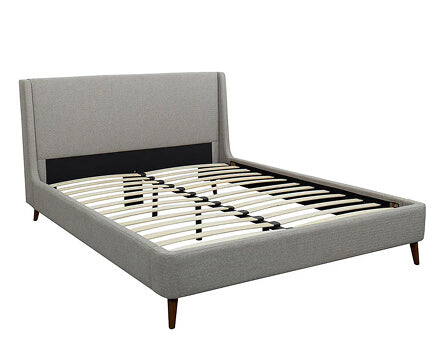
Bed slats that slide or flex can cause squeaking and uneven support. Make sure each slat fits snugly in place and does not move when pressed. Check the types of brackets holding the slats and frame together. Different brackets may require tightening or replacing to ensure stability. If slats are cracked or bowed, replacing them can make a noticeable difference in support and reduce noise.
6. Use a non-slip pad between the mattress and the frame
Sometimes the noise comes from the mattress shifting rather than the frame itself. A thin non-slip pad placed between the mattress and the frame can keep everything in place. This helps reduce movement and prevents rubbing that leads to sound.
7. Rotate your mattress regularly
Rotating your mattress from head to foot every 1-2 times per year helps evenly distribute weight. This prevents sagging in specific areas that can strain the frame and lead to squeaks or rocking over time.
8. Inspect the center support bar
Many beds rely on a center support to evenly distribute weight. If that support is bent, loose, or missing, the frame may shake or creak. Make sure it is firmly attached and, if required, touches the floor for your bed frame size.
9. Replace your mattress if it is worn out
An old mattress can sag, causing uneven pressure on the frame. This extra strain may cause joints to loosen faster and create more noise. If your mattress dips or feels unsupportive, it can affect both comfort and the stability of your frame. Replacing your mattress can improve comfort and help the frame stay stable.
10. Get a new bed frame if problems keep returning
If squeaking and shaking continue despite multiple fixes, the frame itself may be worn out. Cracked wood, warped metal, or repeated hardware failure are signs that it may be time for a replacement. A solid, sturdy bed frame provides better support and long-term peace of mind.
Final Thoughts
Learning how to stop a bed frame from squeaking or shaking starts with small checks and simple fixes. Many noise issues come from loose parts or a lack of support. With a few adjustments, your bed can feel solid again. If those steps don’t work, replacing your mattress or bed frame can make a lasting difference. A quiet, stable bed supports better sleep and more comfortable nights.
Ready for a Quieter Bed?
Visit Blissful Nights for a quiet, stable sleep setup. Don’t let a squeaky or shaky bed frame disrupt your nights. Explore our selection of sturdy bed frames and supportive mattresses designed to stay solid and silent night after night.
Need personalized help? Reach out to us, and we will guide you in choosing the right bed frame and mattress to eliminate noise and improve your sleep.
FAQs
Why does my bed squeak only at night?
Bed frame noise often feels worse at night because everything around you is quieter. Small movements that go unnoticed during the day become obvious when the room is still.
Why does my bed squeak even after tightening the screws?
Other parts may still be rubbing together, like joints or slats. Padding or lubrication often helps when tightening alone does not.
Can my mattress cause my bed frame to shake?
Yes, especially if the mattress is old or does not fit the frame well. Uneven weight can make the frame move and create noise.
Is it worth fixing an old bed frame?
If repairs hold and the frame feels solid, yes. If noise keeps coming back, replacement may save time and frustration.


Leave a comment
This site is protected by hCaptcha and the hCaptcha Privacy Policy and Terms of Service apply.