





Most people know that a mattress is one of the most important parts of a bedroom, but figuring out how much to spend can be confusing. Some mattresses cost under $300, while others go into the thousands. With so many price points, it’s natural to ask: What is a reasonable amount to spend on your mattress?
Your mattress budget should reflect not just price, but quality, comfort, support, and durability. Buying cheaply may save money up front, but if the mattress wears out quickly or doesn’t provide comfort, you could end up buying again sooner than expected. Conversely, paying too much doesn’t always guarantee better sleep.
In this guide, we’ll walk through mattress price ranges, what to expect at each level, and how to choose the right mattress without overspending.
Factors Influencing Mattress Prices
When shopping for a mattress, several factors determine the price. Let's explore the key elements that impact mattress costs, including material quality, size, brand reputation, and unique features.
Material Quality
The materials used in mattresses significantly impact their price. Innerspring, memory foam, latex, and hybrid mattresses have different costs based on their durability and comfort levels.

Higher-quality materials often result in a more expensive but longer-lasting and more comfortable mattress. Memory foam mattresses are known for alleviating pressure, while latex mattresses are celebrated for their natural materials and firmness.
Mattress Size
The cost of a mattress varies by size, with different price points for Twin, Full, Queen, King, and California King.
Larger mattresses naturally cost more due to the additional materials required. A queen-size mattress is typically more expensive than a Twin, but it provides more space for comfortable sleep, especially for couples.
Brand and Reputation
Well-known brands typically charge more for their mattresses due to their established reputation for quality. You might find similar quality from lesser-known brands for less money, but thorough research and comparison are key.
Special Features
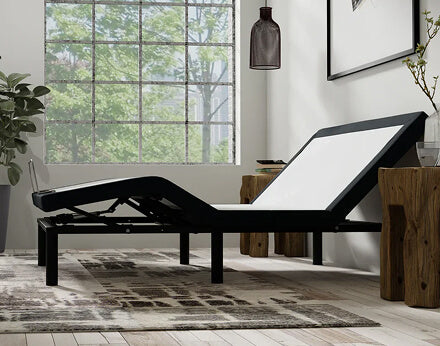
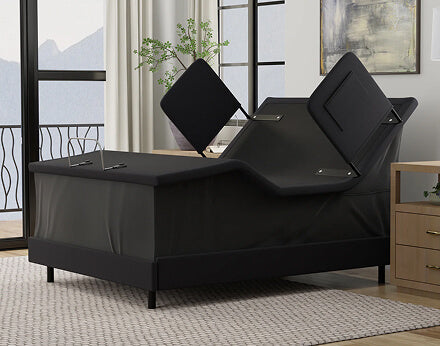
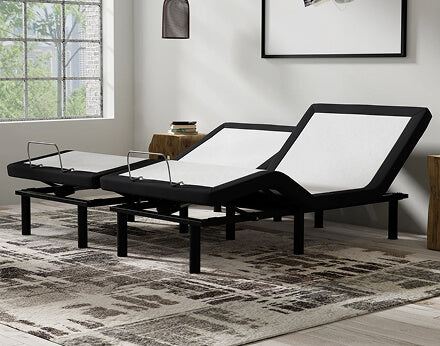
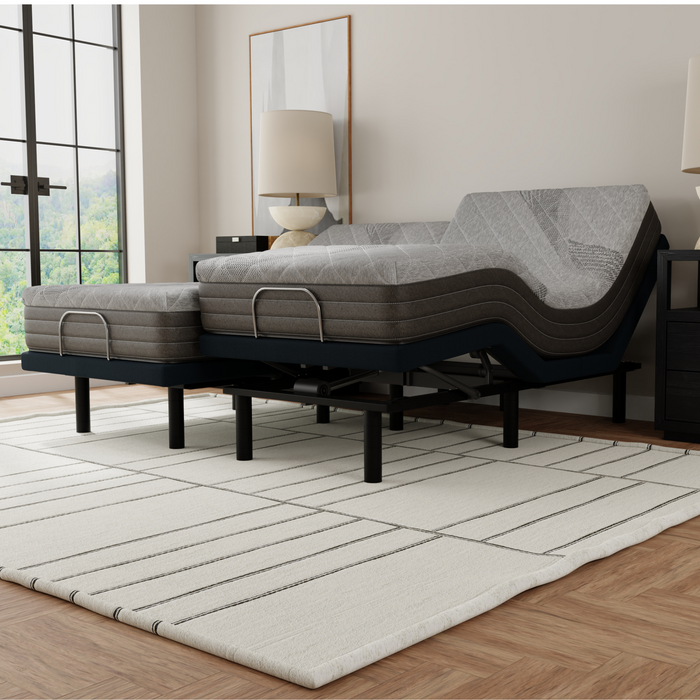
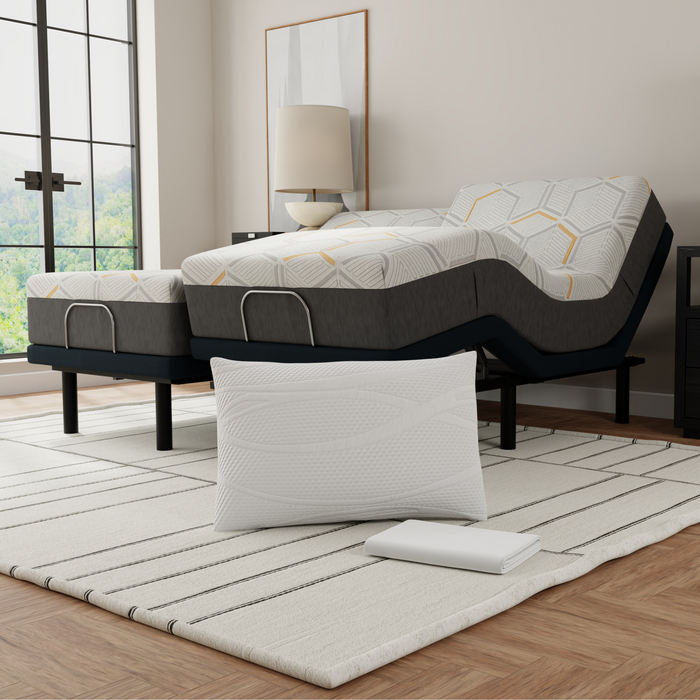
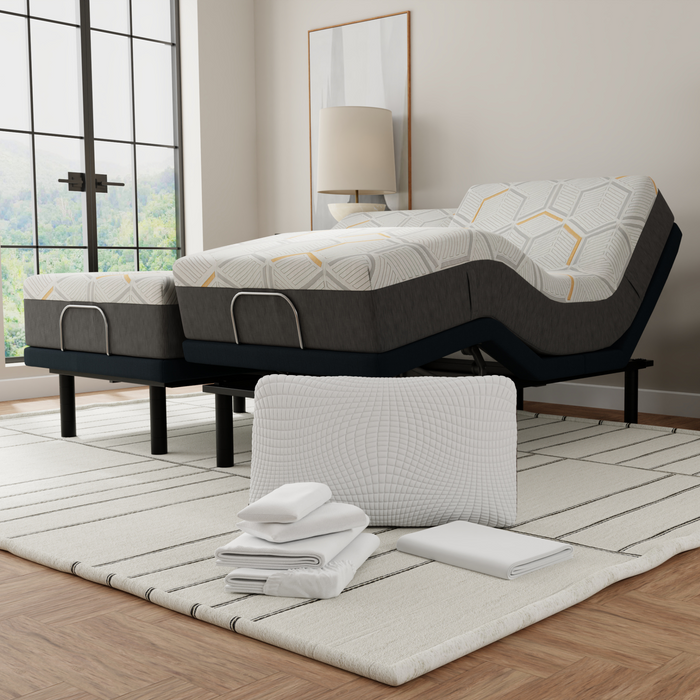
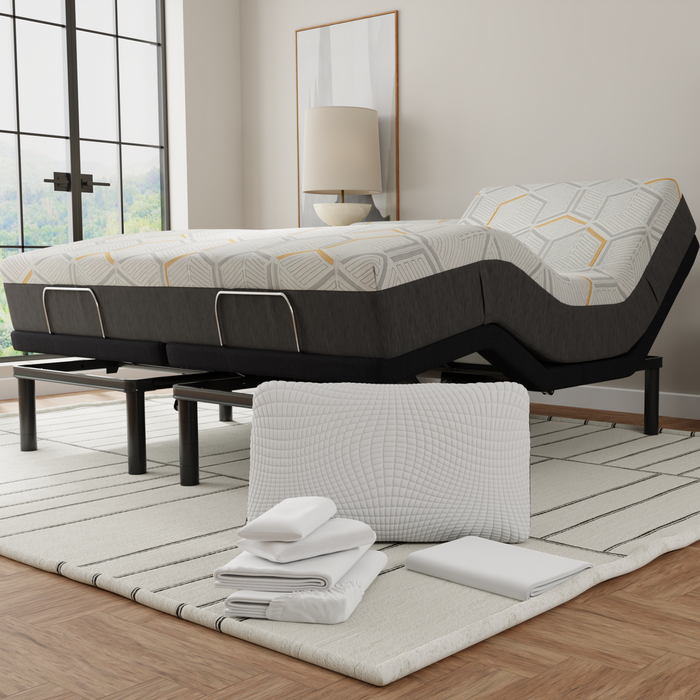
Mattresses with unique features like cooling technology, adjustable bases, or organic materials generally cost more. However, these features can enhance comfort and convenience, making the higher price worth it for many people.
For example, mattresses with built-in cooling technology can be an excellent investment for hot sleepers, while adjustable bases provide customizable comfort.
Mattress Price Categories
Mattresses come in various price ranges, each offering different levels of quality and features. We'll break down the categories into budget mattresses, mid-range options, and luxury mattresses to help you find the best fit for your budget and needs.
Budget Mattresses
Budget mattresses usually cost between $200 and $500. They are typically made from basic materials and may not last as long as more expensive options. However, they can still provide a decent night's sleep and are perfect for those on a tight budget.
Budget mattresses often use lower-density foam or basic innerspring systems, which can be less durable over time.
Mid-Range Mattresses
Mid-range mattresses cost between $500 and $1,500. These mattresses often feature better materials and construction than budget options, offering improved comfort and durability.
They may include higher-density foam, better coil systems, or enhanced features such as zoned support layers for better spinal alignment.
Luxury Mattresses
Luxury mattresses start at $1,500 and can go much higher. They are made from the highest quality materials and often include advanced features.
Luxury mattresses provide the best comfort and longevity but come at a premium price. These mattresses might use natural latex, high-end memory foam, or sophisticated hybrid designs that combine multiple materials for optimal support and comfort.
Average Costs by Mattress Type
The type of mattress you choose also influences the cost. Here, we'll look at the average prices for innerspring, memory foam, latex, and hybrid mattresses, providing a better image of what you can expect to spend on each type.

Innerspring Mattresses
Innerspring mattresses typically cost between $500 and $2,000. They offer good support and are a popular choice for many sleepers. Traditional innerspring mattresses use a network of steel coils to provide support, which is ideal for those who prefer a firmer feel.
Memory Foam Mattresses
Memory foam mattresses range from $600 to $2,500. They provide excellent support and pressure relief, making them popular for those with back pain. Memory foam molds to your body, delivering tailored comfort and minimizing motion transfer, which is ideal for couples.
Latex Mattresses
Latex mattresses range from $1,000 to $3,000. They are known for their durability and natural materials, offering a firm but comfortable sleep surface.
Latex's natural resistance to allergens and dust mites makes it an excellent choice for allergy-prone individuals.
Hybrid Mattresses
Hybrid mattresses cost between $1,000 and $3,500. They combine innerspring coils with foam or latex, offering the benefits of both types. Hybrids provide excellent support, pressure relief, and temperature regulation, making them suitable for many sleepers.
Additional Considerations
Other factors can affect your mattress purchase beyond price and type. Considerations such as warranty, trial periods, and long-term investment potential are crucial in making a wise buying decision.
Warranty and Trial Periods
Always check the warranty and trial periods offered with the mattress. A reliable warranty safeguards your purchase, while a trial period lets you test the mattress to ensure it's the right fit for you.
Warranties typically cover manufacturing defects, while trial periods let you return the mattress if it doesn't meet your comfort needs.
Long-Term Investment
When choosing a mattress, consider the cost per year of use. Spending more on a quality mattress can save you money in the long run by avoiding frequent replacements. A well-made mattress can last ten years or more, making it a wise investment for your health and comfort.
How to Decide How Much to Spend
Here are some tips that can help you decide on your mattress budget.
Set Your Sleep Needs First
Think about your sleep position, body weight, and comfort preferences. If you have chronic pain or specific support needs, investing a bit more can bring better long‑term comfort.
Balance Price and Durability
Spending more is worthwhile if the mattress lasts at least 7–10 years. A cheap mattress that wears out in 2–3 years ends up costing more over time.
Look for Trial Periods and Guarantees
Good trial periods let you test the mattress at home. Warranties protect your investment, especially against defects or sagging.
Consider Future Costs
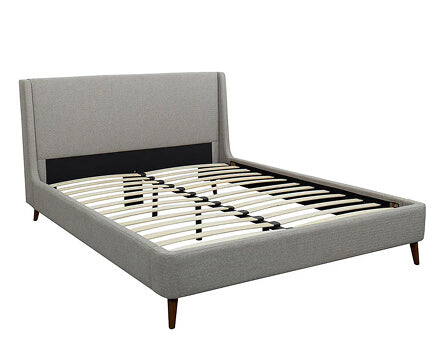
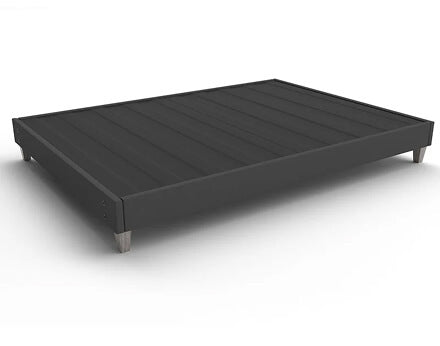
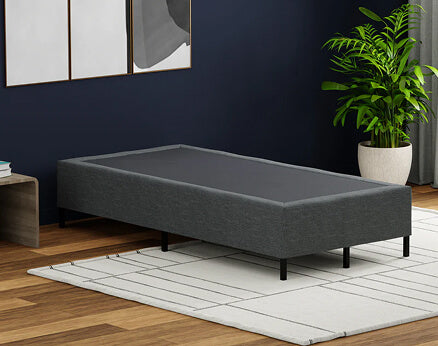
Remember bedding accessories like foundations, adjustable bases, mattress protectors, or pillows. These add to sleep quality and mattress longevity.
Does Higher Price Always Mean Better Sleep?
Not always. Price often reflects materials and craftsmanship, but the mattress still has to match your body and preferences.
Some people may prefer a mid‑range mattress that fits their sleep style perfectly over a luxury model that feels too soft or too firm.
The key is matching features and feel with what your body needs.
Find the Right Mattress Within Your Budget
Choosing the right mattress is a mix of comfort, quality, and price. At Blissful Nights, we offer mattress options in a range of price points so you can find comfort and support that fits your budget and sleep style.
If you’re unsure how much to spend or need help finding the right mattress for your comfort needs, contact us, and our team will be happy to help you find the ideal fit.
FAQs
How often should I replace my mattress?
You should replace your mattress every 7-10 years, depending on its condition and type. Over time, mattresses lose support and comfort, affecting your sleep quality. Regularly replacing your mattress ensures you get the best sleep and avoid issues like sagging and discomfort.
Are expensive mattresses worth the cost?
Expensive mattresses often use higher-quality materials and offer better durability and comfort. They can be worth the investment if you prioritize long-term comfort and support. A higher price can also mean advanced features like cooling technology or enhanced support, which can improve your sleep quality.
How do I choose the right mattress firmness?
Choosing the right mattress firmness depends on your sleep position and personal preference. Side sleepers often prefer a softer mattress for pressure relief. On the other hand, back and stomach sleepers usually need a firmer mattress for proper support. Test different firmness levels to find what feels best for you.
How can I extend the life of my mattress?
Maintain your mattress's durability by using a mattress protector, rotating it periodically, and keeping it clean. Avoid jumping on the bed and follow the manufacturer's care instructions. These practices can help maintain the mattress's support and comfort over time.
How important is a mattress protector?
A mattress protector is crucial as it shields the mattress from spills, stains, and allergens. It can extend the life of your mattress and keep it hygienic, contributing to a healthier sleep environment.



Leave a comment
This site is protected by hCaptcha and the hCaptcha Privacy Policy and Terms of Service apply.