















Sharing a bed with your partner can be one of the most comforting parts of a relationship. Over time, many couples naturally develop sleeping positions that feel comfortable and familiar, whether that means cuddling closely or keeping a bit of space while sleeping.
While comfort is usually the main factor, some sleep experts believe that couples’ sleeping positions can sometimes reflect emotional closeness, trust, or independence within a relationship. However, these interpretations are not an exact science and may vary from couple to couple.
In this guide, we’ll explore common couples' sleeping positions and what they may reveal about comfort, connection, and relationship dynamics.
1. Back-to-Back (The Liberty Lovers)
When couples sleep back-to-back without touching, this position is known as "The Liberty Lovers." It suggests that both partners are comfortable with personal space and independence but still feel connected. The psychological meaning of this sleep position is that both individuals trust each other deeply. They don't need to be physically close to reaffirm their bond, which shows a solid emotional connection. This balance between closeness and freedom makes this a popular choice among couples who are secure in their relationship.
2. Spooning

Spooning is one of the most well-known sleeping positions for couples. One partner curls up behind the other, almost like a protective shell. The big spoon is the protector, while the little spoon feels safe and comforted. This position shows care and emotional security. The meaning of sleeping positions like spooning often revolves around intimacy and closeness. It reflects a solid emotional connection, where both partners enjoy being physically close during rest.
3. The Tangle

This is a deeply intimate position where both partners are intertwined, often with their faces close together. The Tangle usually shows up during the early stages of a relationship when physical connection is at its peak. However, staying in this position all night can be uncomfortable, so couples often shift to a more relaxed one after some time. The psychological meaning of this sleep position suggests strong emotional closeness and a need for reassurance from one another.
4. The Chase
The Chase is similar to spooning but with a twist. One partner moves away to the edge of the bed, and the other follows or "chases" them. This position can feel playful but may also show that the partner being chased wants more space or independence in the relationship. The meaning of sleeping positions like The Chase could signal that one partner craves attention or wants more physical closeness. It's important for couples to communicate if one person consistently feels the need to retreat.
5. The Leg Hug
When couples sleep with their legs touching or intertwined, it shows a desire for connection without overwhelming each other. This position is a balance between intimacy and personal space. Couples who sleep together in this way often have a stable relationship where they can express love without feeling suffocated. The psychological meaning of this sleep position highlights that both partners want to maintain some physical connection even in sleep.
6. The Back Kissers
In this position, couples sleep back-to-back but with some parts of their bodies, like their backs or butts, still touching. This position signals that both partners are comfortable with their space but value physical connection. It's a relaxed yet intimate position, showing trust and closeness without clinging to each other. The meaning of this common sleeping position reflects a relationship that balances independence with affection.
7. The Starfish and The Stretched Out
If one partner sleeps in a starfish position while the other curls up, it may suggest a relationship imbalance. This sleeping pattern reflects dominance by one partner, while the other may feel overlooked or passive. The partner in the starfish position may have a more dominant role, while the other may feel passive or overlooked. This sleep position may indicate that couples need to address power imbalances or feelings of inequality in their relationship.
8. Face-to-Face (The Nuzzle)
When couples sleep facing each other with foreheads or noses touching, it signifies a deep emotional connection. This position is often a sign of solid romantic bonds and trust. Couples who sleep together in this way are typically in a phase of their relationship where communication and closeness are essential. The Nuzzle position clearly represents intimacy and the comfort of being close, even while sleeping.
Tips for Sleeping Comfortably With Your Partner
Sleeping next to someone can be comforting, but it may also affect sleep quality if the bed or mattress is not supportive.
A few tips that may help include:
- Choose a mattress that supports both sleepers
- Use pillows that maintain proper alignment
- Consider larger bed sizes for extra space
- Maintain a comfortable bedroom temperature
Small adjustments can make a big difference in how well both partners sleep.
How You Sleep Speaks Volumes-Are You Listening?
Now that you understand the meaning behind common couples' sleeping positions, reflect on how you and your partner sleep together. Does your sleeping position reveal a strong bond, or could it indicate a need for more communication? Regardless of what you discover, remember that a healthy relationship depends on open communication and understanding, both in and out of bed.
Improve Sleep Comfort for Both Partners
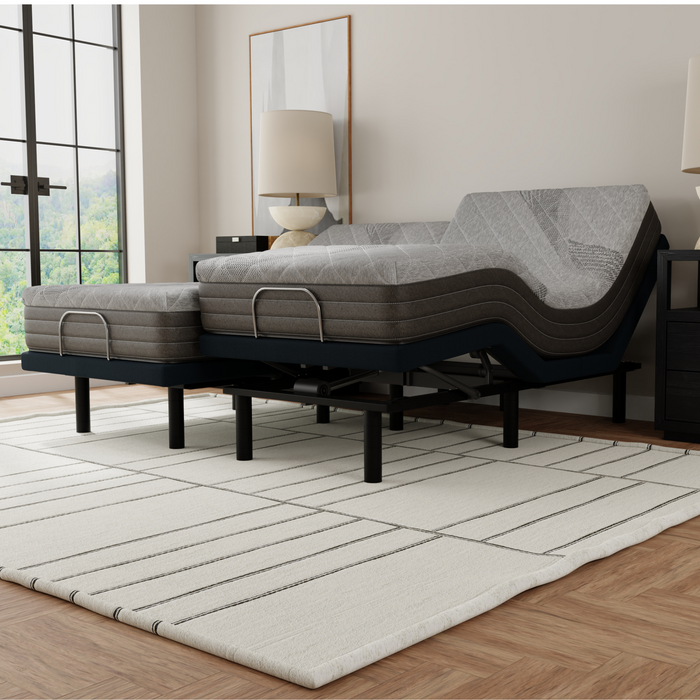
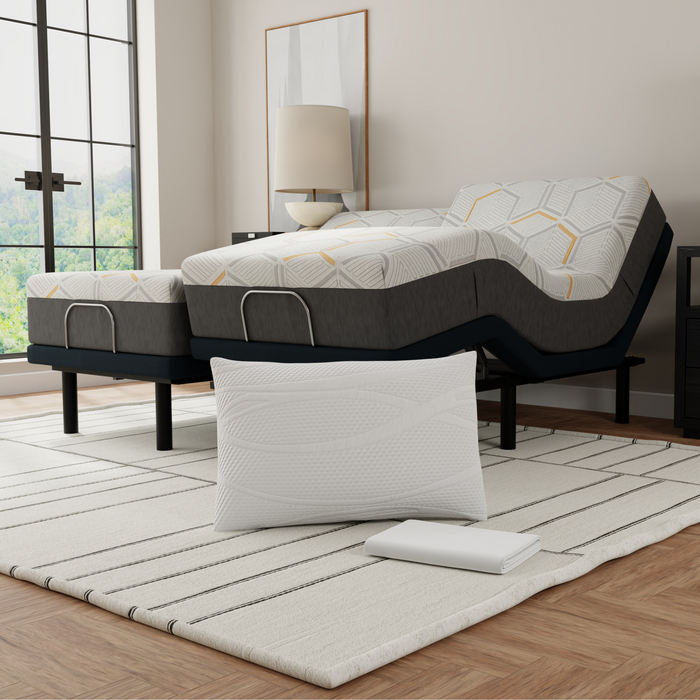
Sleeping positions can affect comfort, especially when sharing a bed with a partner. The right mattress and sleep setup can help both sleepers find positions that support their bodies and promote restful sleep. At Blissful Nights, we offer mattresses and adjustable beds designed to support different sleeping positions and help couples sleep comfortably together.
If you want help choosing the right mattress or sleep setup for you and your partner, contact our team, and we will gladly help you find the best option for your bedroom.
Frequently Asked Questions
Can couples change their sleeping positions over time?
Yes, couples' sleeping positions can change as their relationship evolves. For instance, couples might prefer more intimate positions like The Tangle early in a relationship. Over time, they may prefer positions with more space, like back-to-back, as they grow more secure and comfortable.
Does sleeping apart always mean trouble in a relationship?
Not necessarily. Some couples sleep apart for practical reasons, such as different schedules, snoring, or different sleep preferences. While intimacy is important, quality time spent together while awake is often more telling of a relationship's health than sleeping positions.
Do sleeping positions affect sleep quality?
Yes, some sleeping positions can impact sleep quality. For example, positions like The Tangle might cause discomfort over time, leading to poor sleep. Balancing intimacy and comfort is key for good sleep, and adjustable beds help couples find the ideal position.




Leave a comment
This site is protected by hCaptcha and the hCaptcha Privacy Policy and Terms of Service apply.