





Waking up with a blocked nose, sneezing, or itchy eyes can feel normal for some people, but often the issue starts with the bed itself. Even when a mattress looks clean on the outside, it gradually collects dust, sweat, dead skin cells, and other tiny particles that remain trapped deep within its layers, affecting overall sleep comfort and freshness over time.
A study on bedroom allergen exposures in US households shows that mattresses can hold allergens like dust mites and skin flakes even after regular cleaning, and these microscopic irritants can build up over time, potentially triggering allergy symptoms in sensitive sleepers.
That’s where mattress protectors become important. They act as a simple barrier between you and your mattress, helping reduce exposure to hidden allergens while also making it easier to keep your sleep surface clean and more hygienic.
Why Your Mattress Can Trigger Allergies
Your mattress doesn’t look dirty, but it holds more than you expect.
Common triggers include:
- Dust mites living deep inside the mattress
- Pet dander if animals share your bed
- Mold from trapped moisture
- Every day buildup that never gets fully cleaned
Even if you wash your sheets often, the mattress underneath still collects allergens. That’s why a mattress protector for allergies is often recommended.
How Mattress Protectors Help with Allergies
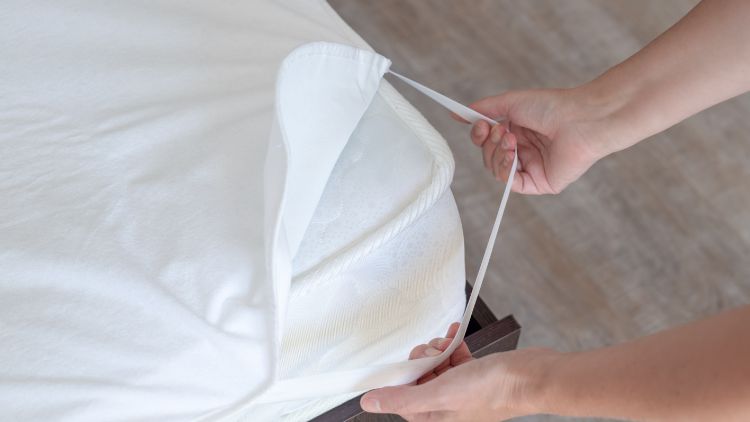
A mattress protector is essential because it works as a barrier. It sits on top of your mattress and helps block what’s underneath.
Here’s what it does:
- Keeps dust mites from reaching your sleep surface
- Reduces contact with allergens while you rest
- Helps protect against sweat and spills
- Makes cleaning much easier
Instead of worrying about what’s inside your mattress, you can remove and wash the protector. That alone makes a big difference.
Types of Mattress Protectors for Allergies
Not all mattress protectors work the same. The type you choose can affect the amount of protection you get.
1. Encasement Mattress Protectors
These fully cover your mattress and zip around it. This gives full coverage and helps seal off dust mites.
A full-coverage option like the Igloo Mattress Encasement Mattress Protector works well if you want to block allergens from all sides. This is often the best type of mattress protector if your allergies are more noticeable.
2. Fitted Mattress Protectors
These fit like a regular sheet. They are easy to remove and wash, which makes them practical for daily use.
A simple option like the Fitted Quilted Padded Cotton Mattress Protector is a good choice if you want something easy to handle. It won’t completely seal the mattress, but it still adds a helpful layer of protection.
3. Waterproof Mattress Protectors
Moisture can lead to more buildup inside your mattress. A waterproof mattress protector helps stop that. It keeps sweat and spills from soaking in, helping reduce mold and bacteria over time. Many protectors combine moisture protection with comfort, so you don’t have to choose between the two.
A breathable option like the Premium Bamboo Mattress Protector also helps manage moisture while still feeling soft and comfortable, which is useful if you want protection without trapping heat.
4. Cooling Mattress Protectors
If you sleep warm, this type can help. A cooling mattress protector allows better airflow, so you don’t feel too hot at night.
An option like the Ice Mattress Protector can help keep your sleep surface cooler while still adding a layer of protection against allergens.
5. Basic Everyday Mattress Protectors
These are simple and work well for light protection. If your allergies are mild, a simple option like the Essentials Mattress Protector can help keep your bed cleaner without adding extra features.
Features to Look for in the Best Mattress Protectors

Choosing the right mattress protector is not just about type. A few features really matter.
-
Hypoallergenic Materials: These materials help reduce irritation, especially if you have sensitive skin.
-
Dust Mite Protection: Look for tightly woven fabric or full encasement designs. These help block mites from passing through.
-
Waterproof Layer: A waterproof mattress protector helps keep moisture out. This plays a big role in keeping your mattress cleaner.
-
Breathability and Comfort: You want airflow. A cooling mattress protector can help prevent heat buildup.
- Soft and Quiet Fabric: Some protectors feel stiff or noisy. That can affect sleep. A softer material is usually better.
Best Materials for Allergy Mattress Protectors
The material affects both comfort and performance.
-
Cotton: Cotton is soft and breathable. It feels natural, but it needs to be tightly woven to block allergens.
-
Bamboo: Bamboo fabric stays cool and handles moisture well. It’s a good option if you want a cooling mattress protector that also feels gentle on the skin, and a bamboo mattress protector is often considered a practical choice for people sensitive to allergens.
- Synthetic Layers: These are often used in waterproof mattress protectors. They block moisture and help keep allergens from getting through.
How to Choose the Right Mattress Protector for Your Needs
Think about how you actually use your bed.
- Strong allergies: Go for a full encasement
- Mild allergies: A fitted mattress protector can be enough
- Hot sleepers: Choose a cooling mattress protector
- Easy care: Pick something simple to remove and wash
The best choice is the one you’ll keep using consistently.
What to Avoid When Choosing a Mattress Protector
Some options may not help much at all.
- Thin or loose fabrics that don’t block dust
- Materials that trap heat and feel uncomfortable
- Protectors that feel stiff or noisy
- Poor fit that leaves gaps
A mattress protector should improve your sleep, not worsen it.
Simple Habits to Reduce Allergens in Your Bed

A mattress protector helps, but a few small habits can make it even more effective.
- Wash your mattress protector regularly
- Change your sheets often
- Keep your room dry
- Vacuum your mattress once in a while
- Limit pets on the bed if allergies are an issue
These steps help reduce buildup over time. Using a mattress protector can also help reduce allergies and asthma by limiting exposure to dust mites, moisture, and other common allergens that build up over time.
Final Thought
Mattress protectors are one of the easiest ways to manage allergens in your bed. They don’t take much effort, but they can make a noticeable difference in how you sleep. The right mattress protector helps block dust, moisture, and everyday buildup, which matters if you deal with allergies.
Whether you choose a full encasement, a fitted option, or a cooling mattress protector, what matters most is that it fits your routine. The best mattress protectors are the ones you can use comfortably every night without thinking about it too much.
Sleep Cleaner Nights Start with the Right Protection
A cleaner sleep setup often starts with the right basics. Blissful Nights, we offer mattress protectors that help keep your bed fresh and more comfortable for everyday use. From cooling options to full-encasement styles, each one is designed to support better sleep for people dealing with allergies or sensitivity.
If you’re trying to improve your sleep environment or reduce allergy triggers, contact us so we can help you choose a mattress protector that fits your needs and your sleeping habits.
FAQs
What is a mattress protector?
A mattress protector is a removable cover placed over your mattress to protect it from dust, sweat, spills, and allergens. It helps keep your sleeping surface cleaner and can improve hygiene and comfort, especially for allergy sufferers.
What is the best type of mattress protector for allergies?
The best type of mattress protector for allergies is usually a zippered encasement or tightly woven hypoallergenic cover. These help block dust mites, pet dander, and other allergens from entering or leaving the mattress.
What is an allergy mattress protector?
An allergy mattress protector is specially made to reduce exposure to allergens while you sleep. It typically uses hypoallergenic materials and a tight weave to help protect against dust mites, pollen, and other irritants.
Is a waterproof mattress protector good for allergy sufferers?
Yes, a waterproof mattress protector is helpful for allergy sufferers because it blocks moisture from sweat or spills. This helps prevent mold, bacteria, and dust mite buildup inside the mattress.
How often should you wash a mattress protector?
You should wash a mattress protector every 2 to 4 weeks, depending on how often it is used. If you have allergies or pets, washing it more often can help keep your bed cleaner and reduce allergen buildup.


Leave a comment
This site is protected by hCaptcha and the hCaptcha Privacy Policy and Terms of Service apply.