




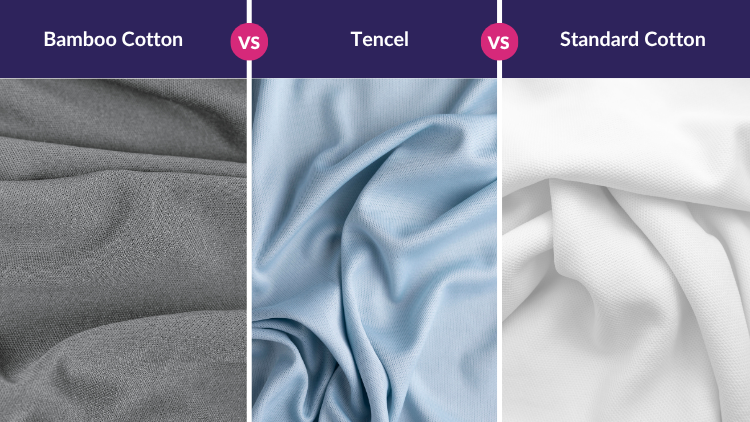
New sheets sound like a simple purchase until you are staring at three sets that all feel great in your hand. The bamboo cotton vs Tencel vs standard cotton question trips up a lot of shoppers for exactly that reason. Everything feels soft in the store. The differences show up months later, once the sheets have been on your bed through a few dozen washes and a few hot nights.
The cleanest way to decide is to take each fabric on its own first, then line them up side by side. So here is bamboo cotton, then Tencel, then standard cotton, covering what each one is, what it does well, where it falls short, and who it fits, followed by a quick comparison table.
Bamboo Cotton Sheets

Bamboo cotton blends bamboo-derived fibers with cotton. Most sheets labeled bamboo are really rayon, viscose, or lyocell spun from bamboo pulp, then mixed with cotton for the backbone. You keep the silky feel bamboo is known for and gain the toughness and easy care of cotton.
Benefits
This is the set most people reach for when they want to feel a little spoiled without overthinking it. The drape is satiny, with just enough crispness to feel clean, like a good hotel bed, and it keeps you comfortable on warmer nights instead of trapping heat the way basic cotton can. It also ages well, staying soft and holding its shape wash after wash.
Pros
- Soft, satiny feel from the first night
- Good breathability and moisture-wicking
- Durable and easy to care for
- Mid-range price, cheaper than Tencel
Cons
- Does not work quite as fast as Tencel
- Bamboo processing usually involves chemicals, so certifications matter
- Quality varies with the blend ratio and weave
Best For
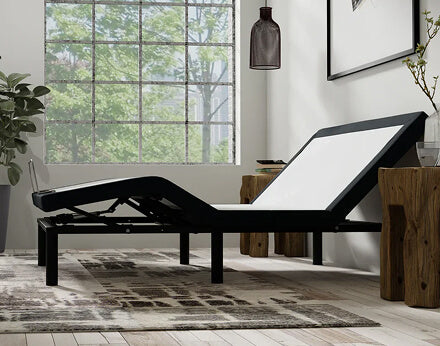
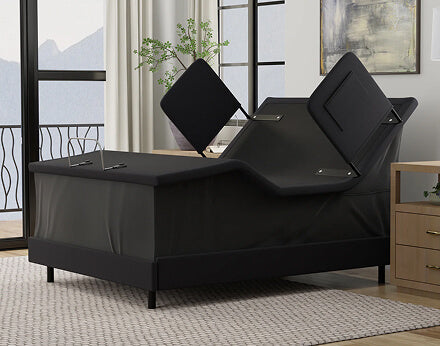
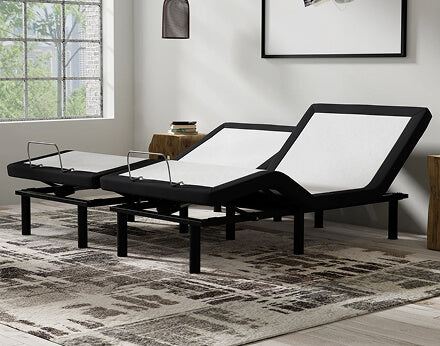
Most sleepers who want a soft, cool, well-rounded sheet without a high price. Bamboo cotton sheets are made to work with mattresses and adjustable base sets, so they stay put through every incline.
Tencel Sheets

Tencel is the brand name for lyocell, a fiber made from wood pulp, usually eucalyptus. It is produced in a closed-loop process that recycles more than 99 percent of its solvent, which is a big part of its green reputation. The fiber comes out smooth and remarkably uniform.
Benefits
Tencel is the set for people who run hot and hate waking up damp. It feels silky and almost fluid against the skin, with a soft sheen closer to sateen than to cotton, and it moves sweat away fast enough that a warm night feels less sticky. Because the fibers are so smooth and even, the sheet glides rather than catches, which tends to suit sensitive skin.
Pros
- Fastest moisture wicking, ideal for hot sleepers
- Silky feel that is gentle on sensitive skin
- Wrinkle-resistant and stays smooth over time
- Strong eco credentials from closed-loop production
Cons
- Highest price of the three
- Can a pill after heavy use
- May feel stiff if air-dried before it softens
- Needs a gentle, cool wash
Best For
Hot sleepers, anyone dealing with night sweats, and sensitive skin. Silky Tencel sheet options if fast moisture management is your priority.
Standard Cotton Sheets
Standard cotton comes straight off the plant. The fibers get ginned, spun into yarn, and woven. It is the material most of us grew up sleeping on, and that familiarity is a real part of the appeal.
Benefits
Cotton earns its place by being the sheet you never have to think about. A percale weave sleeps cool and matte, like a freshly ironed shirt, and unlike the other two, it forgives a lazy laundry routine, taking a hot wash and a normal dry while getting softer the longer you own it. One caveat before you shop: thread count is not the whole story, and the gap between thread count and fabric type explains why a high number on the box can mislead you.
Pros
- Widely available and budget-friendly
- Very washable and softens with age
- Crisp, familiar feel in a percale weave
- Natural and recyclable
Cons
- Holds heat and moisture more than bamboo or Tencel
- Basic cotton can thin out over time
- Conventional cotton is water-intensive to grow
Best For
Classic-feel fans and budget shoppers who do not run especially hot.
Bamboo Cotton vs Tencel vs Standard Cotton Comparison
| Feature | Bamboo Cotton | Tencel (Lyocell) | Standard Cotton |
| Feel | Soft, satiny, slight crispness | Silky, smooth, fluid drape | Crisp or plush, depends on weave |
| Breathability | High | High | Moderate to high (percale) |
| Moisture wicking | Very good (about 40% over cotton) | Excellent (about 50% over cotton) | Limited |
| Best for | Most sleepers want soft, cool comfort | Hot sleepers, night sweats, sensitive skin | Classic feel, budget shoppers |
| Durability | Strong, easy care | Wrinkle-resistant, can pill | Very washable, softens with age |
| Sustainability | Renewable crop, chemical processing | Closed loop, high eco marks | Natural, water-intensive to grow |
| Price | Mid range | Higher | Lower to mid |
One thing worth repeating, because fabric marketing buries it: cooling comes down to more than the fiber. A light sheet in a percale weave breathes more than a dense sateen, whatever it is made of. When you weigh the best bed sheet material for your room, look at the weave and the weight, too, not just the name on the tag.
Which Sheet Should You Choose
Match the fabric to the way you actually sleep. If you run hot or wake up sweaty, Tencel is the safe bet for fast moisture management, with bamboo cotton a close and softer runner-up. If you want a luxury feel at a fair price, bamboo cotton gets you the resort feel without the top-tier cost. If you like a crisp, classic bed and you are watching your budget, a good percale cotton does the job. And if your skin is sensitive, both Tencel and bamboo cotton tend to be gentler thanks to their smooth fibers.
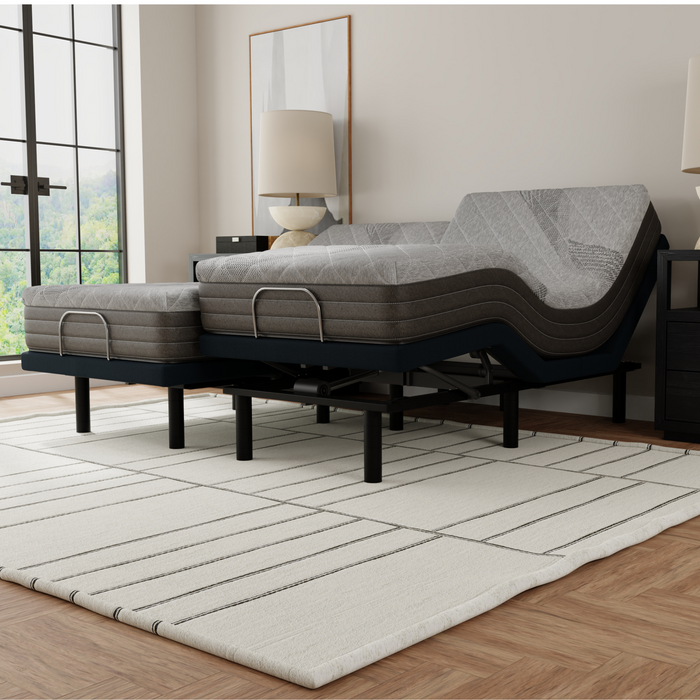
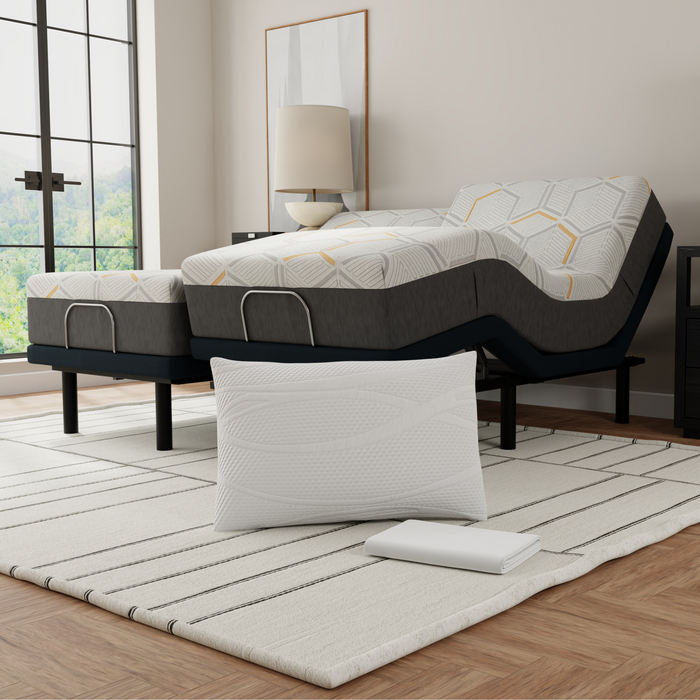
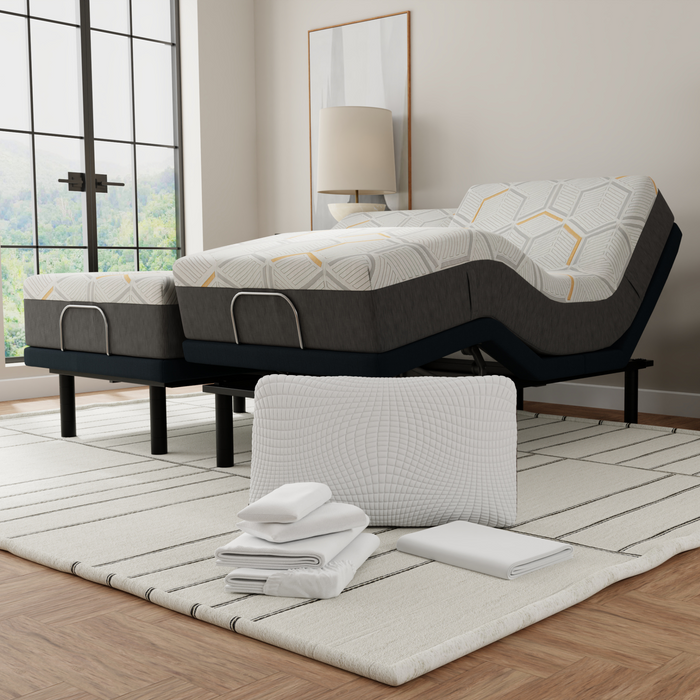
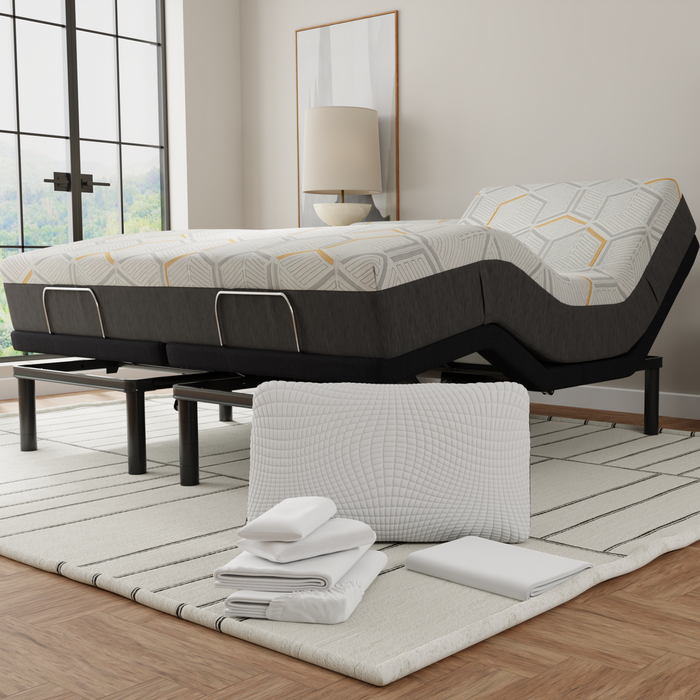
One more factor if your bed uses an adjustable base: fit and stretch matter more than usual, because the sheets have to flex every time the base moves. Not every adjustable setup calls for a dedicated sheet type, but a stretchy, secure fit helps, so bamboo cotton and Tencel options built for these systems tend to hold up best.
Final Thought
The bamboo cotton vs Tencel vs standard cotton question has no single winner, and that is a good thing. It means you get to pick the fabric that fits your body and your budget instead of settling for whatever is on the shelf. Bamboo cotton wins on well-rounded softness and value. Tencel leads in cooling and that silky hand feel. Standard cotton keeps its spot as the dependable classic, and all three sit in the full sheet collection in the sizes and colors most beds need. Think about how hot you sleep, how soft you want the sheet, and what you can spend, then buy with confidence.
Find Your Perfect Sheet Set
Good sleep starts with the right fabric against your skin. Blissful Nights offers bamboo cotton and Tencel sheet sets made to keep you cool and comfortable all night, whether you sleep on a standard mattress or an adjustable base.
Contact us if you want a hand choosing the fabric, size, or color for your sleep style. Our team is glad to point you toward the set that turns your bed into the spot you look forward to all day.
FAQs
Are bamboo cotton sheets cooler than standard cotton?
Yes. Bamboo cotton wicks moisture and breathes better than standard cotton, absorbing roughly 40 percent more moisture. That keeps you drier and more comfortable on warm nights.
Is Tencel better than bamboo for hot sleepers?
Tencel usually wicks moisture faster and dries quicker, so it has a slight edge for heavy sweaters. Bamboo cotton comes in close behind and often feels a touch softer.
Why are most bamboo sheets actually made from rayon or viscose?
A rigid bamboo stalk has to be processed into fibers like rayon, viscose, or lyocell before it can become a soft sheet. Blending those fibers with cotton adds durability and easier care.
Do Tencel or bamboo sheets pill over time?
Tencel can pill after heavy use, and lower-quality bamboo blends sometimes do, too. Washing cool, drying low, and skipping fabric softener help all three fabrics last longer.
Which sheet material is best for adjustable beds?
Look for a good stretch and a secure fit, since the sheets need to flex as the base moves. Bamboo, cotton and Tencel sets made for adjustable base systems tend to hold up best.


Leave a comment
This site is protected by hCaptcha and the hCaptcha Privacy Policy and Terms of Service apply.